Should you take CBD with food
Whether you should take CBD (cannabidiol) with food depends on the form you’re using and your goals, but scientific evidence strongly suggests that taking CBD orally with food—especially a meal containing healthy fats—is often the best way to maximize absorption and effectiveness.
CBD is fat-soluble (lipophilic), meaning it dissolves better in fats and oils. When taken on an empty stomach, much of it can be broken down by the liver during “first-pass metabolism” before reaching your bloodstream, resulting in lower bioavailability (the amount that actually gets used by your body). Food, particularly fatty foods, helps protect CBD from this breakdown and improves how much enters your system.
Key Evidence on CBD with Food vs. Empty Stomach
Studies (including human trials and in vitro research up to 2025) show clear benefits:
- A landmark University of Minnesota study (published in Epilepsia) found that taking CBD capsules with a high-fat meal increased CBD exposure in the body by 4 times and peak blood levels by up to 14 times compared to fasting.
- Other research (e.g., on oral sprays and formulations) reported 4-fold higher bioavailability when taken after a meal versus on an empty stomach.
- In vitro digestion models showed up to 22-fold higher micellarization (the process making CBD available for absorption) in a fed state with fats like olive oil.
- Recent reviews (2025) confirm that fatty meals (e.g., avocado, nuts, olive oil, eggs) enhance absorption significantly, while empty-stomach use leads to lower and more variable levels.
Recommendations by CBD Form
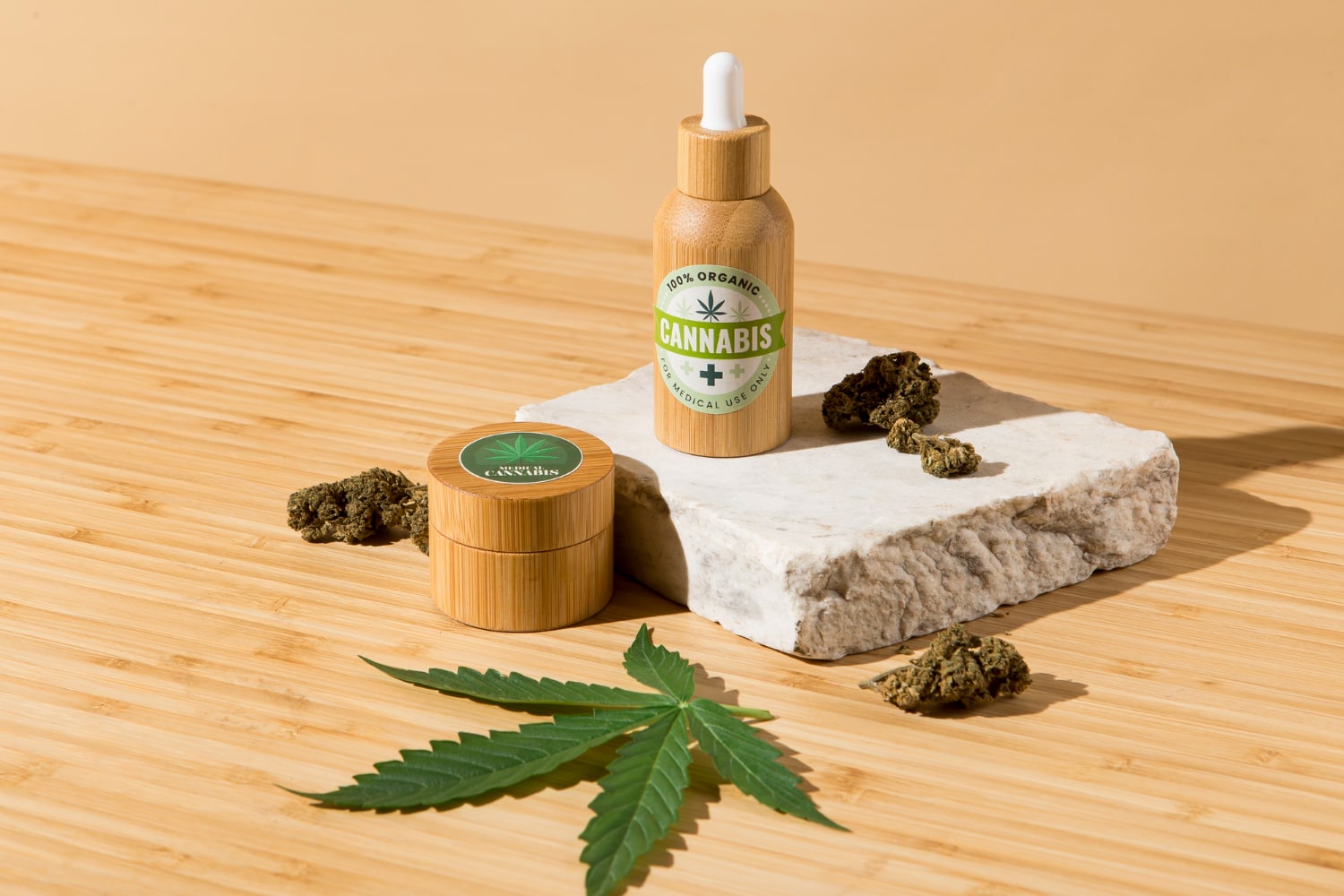
- Oils/Tinctures (Sublingual – under the tongue): Hold for 30–60 seconds before swallowing. You can take on an empty stomach for a faster onset (15–45 minutes), but many experts recommend with or after food (especially fatty) for better overall absorption and longer-lasting effects. Avoid immediately after very heavy meals if you want quicker relief.
- Capsules/Edibles/Gummies: Swallow with food—ideally a fatty meal—for dramatically better bioavailability. Taking on an empty stomach reduces effectiveness and may cause more GI upset (e.g., nausea or diarrhea in some people).
- Topicals (creams, balms): Apply directly to skin—no food involvement needed, as they target localized areas without entering the bloodstream much.
- General Tip: If using for systemic benefits (e.g., anxiety, pain, sleep), pair with fats for optimal results. Start low (10–25 mg) regardless of timing.
Pros and Cons Summary
| Scenario | Pros | Cons | Best For |
|---|---|---|---|
| With Food (esp. fatty) | Higher bioavailability (4x+), steadier effects, reduced waste | Slower onset (30–120 min for edibles) | Maximum effectiveness, chronic use |
| Empty Stomach | Faster onset (for sublingual), simpler if nauseous | Lower absorption, more variability | Quick relief (e.g., acute anxiety) |
Practical Tips for Taking CBD in Pakistan (2026 Context)
- Legality Reminder: Hemp-derived CBD (<0.3% THC) is emerging but regulated—buy from reputable sources with third-party lab tests (COA) for purity and potency.
- Start Simple: Take with breakfast or dinner containing fats (e.g., yogurt, nuts, ghee, or eggs) for better results.
- Consistency Matters: Take at the same time daily, with similar food conditions, to track effects reliably.
- Monitor & Adjust: Effects vary by person—track in a journal. If side effects like drowsiness occur, try with lighter food.
- Consult a Professional: Especially if on medications (CBD can interact via liver enzymes), pregnant, or have health conditions.
Can you put CBD oil in food?
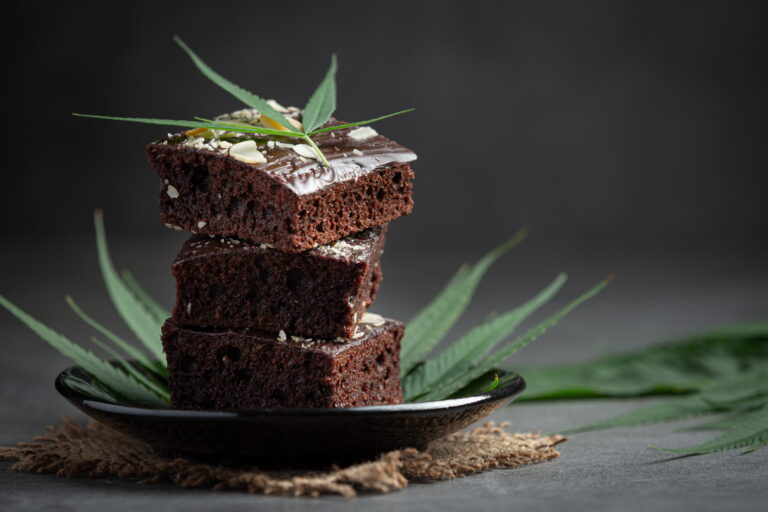
Yes, you can absolutely put CBD oil in food—it’s one of the most popular ways to consume it, often called making “CBD edibles” or infusing meals/drinks. Adding CBD oil to food or beverages is safe, convenient, and can enhance absorption since CBD is fat-soluble (it pairs well with fats for better bioavailability). Many people mix it into smoothies, coffee, salads, sauces, baked goods, or no-bake treats for daily wellness support.
This approach is especially useful if you dislike the taste of plain CBD oil or prefer longer-lasting effects (edibles typically kick in slower but last 4–8+ hours).
Key Benefits of Adding CBD Oil to Food
- Improved Absorption — Pairing with fats (e.g., butter, coconut oil, avocado, olive oil, nuts, or dairy) can boost bioavailability significantly—studies show up to 4x better uptake compared to taking it on an empty stomach.
- Discreet & Tasty — Masks the earthy/natural flavor of CBD oil.
- Customizable Dosing — Easy to control portions and start low.
Important Tips for Putting CBD Oil in Food Safely & Effectively
-
Avoid High/Direct Heat: CBD can degrade at very high temperatures (above ~350°F/177°C or direct stovetop frying), reducing potency and potentially altering taste.
- Best: Add after cooking (e.g., drizzle on finished dishes, stir into sauces/soups off-heat, mix into no-bake recipes like energy balls, smoothies, yogurt, or salad dressings).
CBD food poisoning
CBD (cannabidiol) itself does not cause traditional food poisoning (like bacterial infections from Salmonella, E. coli, or botulism). However, consuming CBD products—especially edibles, oils added to food, or gummies—can lead to symptoms that mimic food poisoning, such as nausea, vomiting, diarrhea, or stomach upset. These are usually side effects from the CBD, overconsumption, poor product quality, or contamination—not classic bacterial foodborne illness.
True food poisoning risks (e.g., mold, bacteria, or mycotoxins) are rare but possible with low-quality or improperly handled CBD/hemp products. In Pakistan (including Pattoki, Punjab), where hemp-derived CBD access is limited and regulated, unregulated or imported items increase these concerns.
Does CBD Cause Food Poisoning-Like Symptoms?
No direct causation for bacterial food poisoning, but:
- Common Side Effects (from reliable sources like Mayo Clinic, Harvard Health, and poison control data):
- Nausea and vomiting
- Diarrhea
- Stomach upset or abdominal pain
- Reduced appetite
- These occur in some users, especially at higher doses (>300–1,000mg) or when first starting. They’re generally mild and resolve quickly (hours to a day).
- Overdose/High-Dose Effects — Described as similar to “bad food poisoning” in some reports (e.g., extreme nausea, vomiting, fatigue), but non-fatal. No documented deaths from pure CBD alone.
- Cannabinoid Hyperemesis Syndrome (CHS) — Rare, linked to long-term heavy cannabis/THC use (not typical low-THC CBD). Causes severe, cyclic vomiting—relieved by hot showers. Uncommon with pure CBD.
Real Risks of Contamination in CBD Products
CBD/hemp items aren’t always tightly regulated (especially non-prescription ones), leading to potential issues:
- Mold/Fungi (e.g., Aspergillus) — Can grow if stored poorly; spores cause respiratory issues if inhaled (smoking) or GI upset if ingested. Rare in edibles but reported in cannabis products.
- Bacterial Contamination — Possible (e.g., E. coli, Salmonella, Clostridium botulinum in extracts), though very rare in finished CBD oils/edibles. More concern in raw plant material or poor processing.
- Other Contaminants — Pesticides, heavy metals, or excess THC in mislabeled products can cause toxicity (nausea, dizziness, tachycardia).
- Recent Cases/Recalls (2025–2026 Examples):
- September 2025: Over 61,000 CBD gummies recalled (Extract Labs) due to potential peanut protein cross-contact (allergy risk, not bacterial poisoning).
- French reports (2024–2025): Increased poisonings from CBD products laced with synthetic cannabinoids or high THC—symptoms included severe nausea/vomiting.
- U.S. incidents: Accidental THC in food (e.g., restaurant oil mix-up causing mass intoxication with nausea/vomiting), but not pure CBD.
- No major widespread bacterial food poisoning outbreaks tied specifically to CBD edibles in recent data.
In Pakistan, where hemp/CBD is emerging under strict rules (e.g., low-THC only), imported or unregulated products heighten contamination risks—stick to licensed sources if available.
How to Minimize Risks When Using CBD in Food
If adding CBD oil to food (as discussed previously):
- Choose Quality Products — Third-party tested (COA) for potency, purity, no contaminants, heavy metals, pesticides, or microbes. Broad-spectrum/isolate preferred to avoid THC surprises.
- Storage & Handling — Keep in a cool, dark place; avoid moisture to prevent mold.
- Dose Carefully — Start low (5–10mg) when mixing into food—effects delayed (30–120 min).
- Avoid Heat Degradation — Add post-cooking to preserve potency and safety.
- Watch for Allergens — Some recalls involve cross-contamination (e.g., nuts).
When to Seek Help
If you experience severe/persistent nausea, vomiting, diarrhea, dizziness, or confusion after CBD:
- It could be side effects, overconsumption, or rare contamination.
- Contact a doctor or poison control (in Pakistan: local emergency services or Aga Khan University Hospital helplines if available).
- In extreme cases (e.g., breathing issues), seek immediate medical care.
Final Thoughts
CBD doesn’t typically cause food poisoning, but GI side effects like nausea/diarrhea are common (especially edibles/high doses), and poor-quality products carry contamination risks. In Pattoki/Punjab, prioritize verified, low-THC hemp-derived options and consult a healthcare professional before use—regulations limit access, so safety first.
If symptoms occur after consuming CBD-infused food, stop use and monitor. For personalized advice or local availability, talk to a doctor. Stay safe!.