How Long Does CBD Take to Kick In?. Cannabidiol, commonly known as CBD, has gained significant popularity in recent years for its potential therapeutic benefits, including relief from anxiety, pain, and inflammation. Derived primarily from the hemp plant, CBD is a non-psychoactive compound that interacts with the body’s endocannabinoid system to promote balance and wellness. However, one of the most common questions among new and experienced users alike is about the timing of its effects.
Understanding how long CBD takes to kick in is crucial for managing expectations and optimizing usage. This article delves into the various factors influencing onset time, explores different consumption methods, and provides practical insights based on scientific research and user experiences. By the end, you’ll have a comprehensive grasp of what to anticipate when incorporating CBD into your routine.
What Factors Influence How Long CBD Takes to Kick In?
Several variables determine the speed at which CBD begins to exert its effects. First and foremost, the method of administration plays a pivotal role, as it affects how quickly the compound enters the bloodstream. Individual physiology also matters greatly; factors such as body weight, metabolism, age, and overall health can accelerate or delay absorption. For instance, someone with a faster metabolism might notice effects sooner than an individual with a slower one. Dosage is another key element—higher doses may lead to quicker onset but could also increase the risk of side effects like drowsiness.
Additionally, the type of CBD product influences timing. Full-spectrum CBD, which contains trace amounts of THC and other cannabinoids, may produce an “entourage effect” that enhances efficacy and potentially speeds up onset compared to isolates, which are pure CBD. The quality of the product, including its bioavailability (how much is actually absorbed by the body), is influenced by formulation techniques like nano-emulsification, which can improve absorption rates.
External factors, such as whether CBD is taken on an empty stomach or with food, further modulate how long it takes to kick in. Research from studies published in journals like the Journal of Clinical Pharmacology indicates that bioavailability can vary from as low as 6% for oral ingestion to up to 35% for sublingual methods, underscoring the importance of these considerations.
How Long Does CBD Take to Kick In When Taken Sublingually?
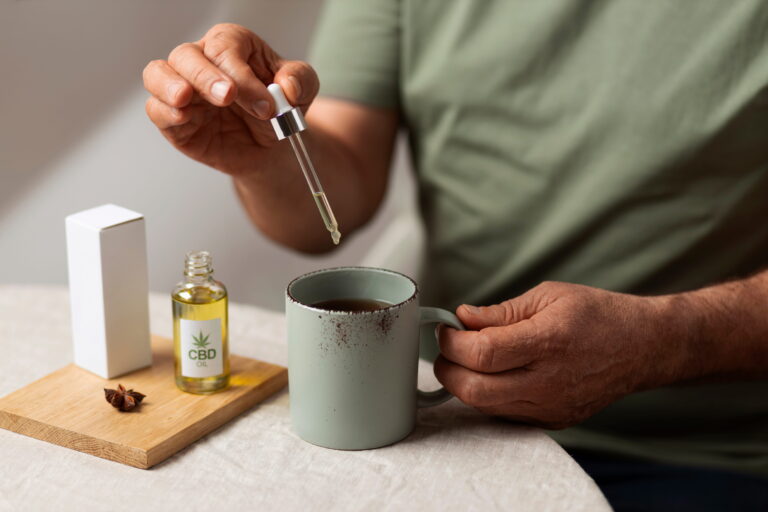
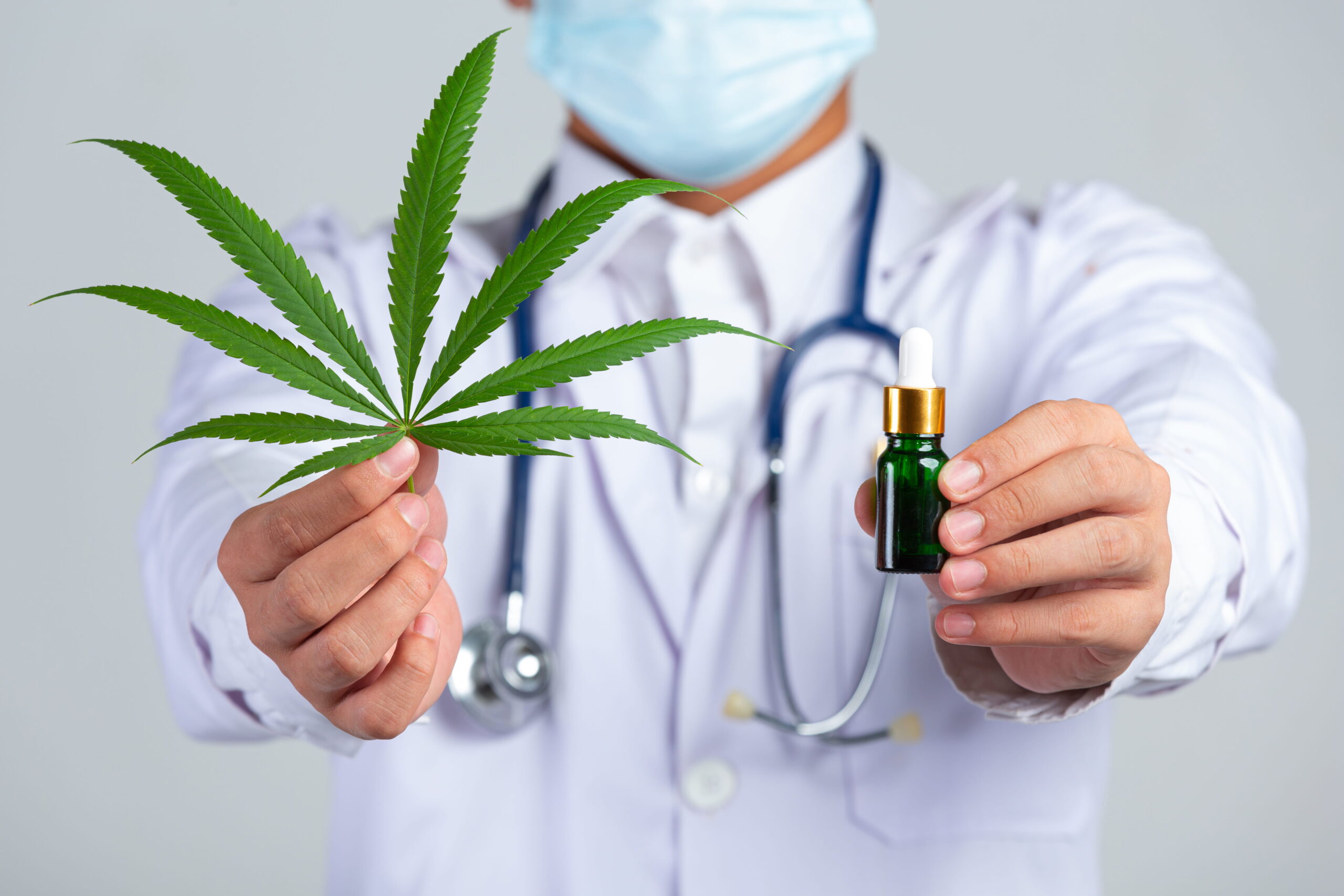
Sublingual administration, where CBD oil or tinctures are placed under the tongue and held for 30-60 seconds before swallowing, is one of the fastest ways to experience effects. This method allows CBD to be absorbed directly through the mucous membranes in the mouth, bypassing the digestive system and entering the bloodstream more rapidly.
Typically, users report feeling the initial effects within 15 to 30 minutes, with peak effects occurring around 1 to 2 hours later. The duration of effects can last from 4 to 6 hours, depending on dosage and individual factors.
This approach is favored for its efficiency and discretion. A 2020 review in the journal Molecules highlighted that sublingual CBD achieves higher plasma concentrations faster than oral capsules, making it ideal for acute needs like sudden anxiety or pain flare-ups. To optimize sublingual use, avoid eating or drinking immediately before or after application, as this can dilute the absorption. Starting with a low dose, such as 10-20 mg, and gradually increasing allows users to gauge their personal response time. While generally safe, some may experience a slight bitter taste or mild irritation, but these are transient.
How Long Does CBD Take to Kick In Via Edibles?
Edibles, including gummies, capsules, and infused foods, offer a convenient and tasty way to consume CBD, but they are notorious for their slower onset. When ingested, CBD must pass through the digestive tract and liver before reaching the bloodstream—a process known as first-pass metabolism that reduces bioavailability. As a result, effects usually begin to manifest between 30 minutes to 2 hours after consumption, with some users waiting up to 3 hours on a full stomach. Peak effects might not occur until 2-4 hours post-ingestion, and the benefits can persist for 6-8 hours or longer.
The variability in onset time for edibles stems from digestive differences; consuming on an empty stomach can shorten the wait to 30-60 minutes, while a heavy meal might extend it. A study in the European Journal of Pain found that oral CBD’s effects on chronic pain were noticeable after about 1 hour in most participants, but individual responses varied. Edibles are best suited for long-term management rather than immediate relief. To enhance absorption, look for products with added fats like MCT oil, which can improve bioavailability. Always adhere to recommended dosages, starting low to avoid potential gastrointestinal discomfort.
How Long Does CBD Take to Kick In Through Vaping or Inhalation?
Inhalation methods, such as vaping CBD e-liquids or smoking CBD flower, provide the quickest onset among common consumption options. When inhaled, CBD enters the lungs and is rapidly absorbed into the bloodstream via the alveoli, circumventing digestive processing. Users often feel effects within 1 to 5 minutes, with peak intensity reached in 10-20 minutes. The effects typically last 2-4 hours, making this method suitable for fast-acting relief from conditions like acute stress or migraines.
Vaping’s efficiency is supported by research in the journal Cannabis and Cannabinoid Research, which reports bioavailability rates of 30-50% for inhaled CBD, far surpassing oral methods. However, concerns about lung health, especially with certain vape additives, warrant caution—opt for high-quality, lab-tested products free from harmful substances like vitamin E acetate. Inhalation may cause throat irritation or coughing in novices, but these symptoms subside with experience. For those new to vaping, starting with low-potency cartridges and short puffs helps monitor how long CBD takes to kick in personally.
How Long Does CBD Take to Kick In with Topical Applications?
Topical CBD products, such as creams, balms, and lotions, are applied directly to the skin for localized relief, targeting areas like sore muscles or inflamed joints. Unlike systemic methods, topicals do not enter the bloodstream in significant amounts; instead, they interact with cannabinoid receptors in the skin. Onset time varies but generally ranges from 15 to 45 minutes, with effects building over time and lasting 4-6 hours. Immediate sensations, like cooling from menthol-infused formulas, can feel quicker, but true CBD absorption takes longer.
Factors like skin thickness, product concentration, and application technique influence speed. Massaging the area enhances penetration, and warmer skin (post-shower) may accelerate effects. A 2019 study in the Journal of Pharmaceutical Sciences demonstrated that transdermal CBD can provide sustained release, ideal for chronic issues like arthritis. Topicals are low-risk with minimal side effects, though patch tests are advisable to avoid allergic reactions. They complement other methods for comprehensive wellness without contributing to overall blood levels.
How Long Does CBD Take to Kick In for Different Dosages?
Dosage directly impacts not just the intensity but also the onset time of CBD effects. Lower doses (5-15 mg) might take longer to notice, often 30-60 minutes across methods, as the body requires accumulation for perceptible changes. Medium doses (20-50 mg) typically kick in faster, within 15-45 minutes sublingually or via inhalation, due to higher concentrations overwhelming metabolic barriers. High doses (over 50 mg) can onset even quicker, but risk diminishing returns or side effects like fatigue.
Individual tolerance builds over time, potentially extending the onset for regular users. A meta-analysis in Frontiers in Pharmacology suggests starting low and titrating up to find the “sweet spot” where effects are felt promptly without excess. Microdosing, taking small amounts frequently, can maintain steady levels, reducing variability in how long CBD takes to kick in. Always consult healthcare professionals for personalized dosing, especially if combining with medications.
How Long Does CBD Take to Kick In Based on Individual Body Factors?
Personal biology significantly modulates CBD onset. Metabolism speed, dictated by genetics, liver enzymes, and lifestyle, can make effects apparent in as little as 10 minutes for fast metabolizers via inhalation, versus over an hour for slower ones with edibles. Body composition matters too—higher body fat may store CBD, prolonging onset and duration. Age affects this; older adults often experience delayed effects due to reduced metabolic rates.
Hydration and diet play roles; dehydration slows absorption, while fatty meals with edibles can enhance it. Gender differences exist, with some studies indicating women may process CBD faster due to hormonal influences. Chronic conditions or medications (e.g., those affecting cytochrome P450 enzymes) can interact, altering timelines. Tracking personal responses through a journal helps predict how long CBD takes to kick in uniquely.
How Long Does CBD Take to Kick In for Specific Uses Like Anxiety or Pain?
For anxiety relief, CBD’s calming effects often kick in quickly with fast methods—5-15 minutes via vaping, 15-30 sublingually—aligning with rapid endocannabinoid modulation. A 2019 trial in The Permanente Journal showed that CBD reduced anxiety scores within an hour orally. Pain management varies; acute pain might respond in 20-60 minutes topically or sublingually, while chronic pain could require consistent use over days for cumulative effects.
Sleep aid applications see onset in 30-90 minutes with edibles, promoting relaxation without grogginess. For focus or inflammation, inhalation provides near-immediate support. Tailoring method to purpose optimizes timing, ensuring CBD integrates effectively into daily life.
Tips to Make CBD Kick In Faster and More Effectively
To minimize wait times, choose high-bioavailability methods like sublingual or inhalation. Enhance absorption by taking CBD with piperine (from black pepper) or fatty foods. Stay consistent with dosing schedules to build tolerance positively. Quality matters—select third-party tested products for potency assurance. Hydrate well and maintain a healthy lifestyle to support metabolism.
Avoid common pitfalls like overdosing, which can lead to tolerance, or mixing with alcohol, which slows effects. Patience is key; if effects seem delayed, reassess the method or consult experts.
Conclusion: Understanding and Optimizing How Long CBD Takes to Kick In
Mastering the nuances of CBD onset empowers users to harness its benefits efficiently. Whether through sublingual drops for quick relief or edibles for sustained support, awareness of factors like method, dosage, and physiology ensures realistic expectations. As research evolves, CBD’s role in wellness continues to expand, but always prioritize safety and legality in your region. By experimenting mindfully, you can fine-tune how long CBD takes to kick in for your needs, fostering a balanced approach to natural health.