Introduction: Why the History of CBD Matters
The history of CBD is not just about a single compound—it’s a story that spans thousands of years, woven into the fabric of medicine, spirituality, agriculture, and law. Cannabidiol (CBD), a non-psychoactive compound found in the cannabis plant, is celebrated today for its potential therapeutic effects. But to fully understand its modern significance, one must trace its journey from ancient rituals and remedies to cutting-edge medical breakthroughs.
CBD’s history is deeply linked with humanity’s relationship with cannabis. For centuries, cultures across the globe cultivated hemp and cannabis for food, fiber, and healing. This article explores the fascinating timeline of CBD—from ancient civilizations to the modern wellness industry—highlighting the pivotal moments that shaped its legacy.
Ancient Civilizations and the First Uses of Cannabis
Early Chinese Medicine and Hemp
One of the earliest documented uses of cannabis dates back to ancient China around 2737 BCE, when Emperor Shen Nung, often called the “Father of Chinese Medicine,” prescribed cannabis-infused tea for ailments like gout, rheumatism, and malaria. Hemp seeds were also a staple food in the Chinese diet, valued for their rich nutritional content.
Over centuries, Chinese medical texts, such as the Shennong Ben Cao Jing, described cannabis as a powerful plant with both yin and yang qualities. Though ancient healers didn’t isolate CBD, their detailed notes hinted at the plant’s diverse therapeutic effects—effects we now attribute to cannabinoids.
Ancient Indian Ayurveda and Bhang
In India, cannabis was closely tied to spirituality and medicine. Ayurvedic practitioners used bhang, a preparation made from cannabis leaves, in rituals and as a remedy for anxiety, digestive problems, and pain. Texts like the Atharva Veda (around 1500 BCE) referred to cannabis as one of the “five sacred plants,” associating it with divine blessings and healing properties.
Unlike Chinese medicine, which leaned toward physical ailments, Ayurveda integrated cannabis into a holistic approach, blending body, mind, and spirit.
Egyptian and Middle Eastern Practices
Ancient Egyptians also tapped into the medicinal qualities of cannabis. Ebers Papyrus, a medical scroll from 1550 BCE, referenced cannabis for inflammation and glaucoma-like conditions. In the Middle East, cannabis was mentioned in texts by Avicenna, the Persian polymath, who described it as helpful for migraines and joint pain.
These early records suggest that societies across the ancient world recognized cannabis as a versatile plant with significant healing potential.
Hemp in Classical Greece and Rome
Cannabis in Greek Philosophy and Medicine
The Greeks were no strangers to hemp. Herodotus, the famous historian, documented Scythian tribes using cannabis seeds in steam baths for relaxation and ritual. Greek physicians, including Dioscorides in his monumental work De Materia Medica (circa 70 CE), noted cannabis as a remedy for earaches and inflammation.
Roman Applications of Hemp
Romans valued hemp primarily for its industrial utility, crafting ropes, sails, and clothing. However, Roman medical texts reveal their role in treating pain and burns. Pliny the Elder, a Roman author, described cannabis seeds as an analgesic, particularly useful for relieving severe pain.
This era showed a balance between medicinal and industrial uses, embedding cannabis deeper into society.
Cannabis in Medieval Times
Hemp in Europe for Medicine and Fiber
During the medieval period, hemp was cultivated extensively across Europe. Monks and herbalists integrated cannabis extracts into remedies for toothaches, arthritis, and even childbirth pain. Hemp also became indispensable for rope-making, essential to naval expansion and exploration.
Islamic Scholars and Early Studies of Cannabis
In the Islamic world, cannabis was studied and debated by scholars. While Islamic law often restricted intoxicants, Ibn al-Baytar and other physicians documented their medicinal applications. Cannabis extracts were recommended for epilepsy and other neurological conditions—an observation that foreshadowed modern discoveries about CBD’s effect on seizures.
The Spread of Hemp to the Americas
Colonial America and Industrial Hemp
By the 1600s, hemp had firmly established itself in Europe and traveled to the Americas with colonists. Early U.S. colonies such as Virginia mandated hemp cultivation, recognizing its value for ropes, textiles, and paper. Founding fathers like George Washington and Thomas Jefferson grew hemp on their plantations.
Early U.S. Medical Use of Cannabis Extracts
In the 18th and 19th centuries, physicians in America began experimenting with cannabis extracts. Apothecaries carried tinctures and oils to address insomnia, pain, and muscle spasms. These preparations were precursors to the modern CBD oils we see today.
19th-Century Scientific Exploration of Cannabis
William O’Shaughnessy and Cannabis in Western Medicine
The 19th century marked a turning point. Dr. William O’Shaughnessy, an Irish physician working in India, introduced cannabis to Western medicine after observing its effectiveness in treating cholera and seizures. His pioneering work opened the door for cannabis to appear in medical journals and European pharmacopeias.
Medical Cannabis in the European Pharmacopeia
By the mid-1800s, cannabis extracts became common in European pharmacies. They were prescribed for migraines, labor pains, and epilepsy. However, due to inconsistent preparations and a lack of standardized dosing, results varied widely. This inconsistency would later fuel skepticism.
Early 20th Century: Prohibition and Stigma
Cannabis in the 1930s and the Marihuana Tax Act
The early 20th century brought a wave of prohibition. In the United States, political campaigns fueled by fear and misinformation led to the Marihuana Tax Act of 1937, effectively criminalizing cannabis. CBD and other cannabinoids were swept into this ban, halting much of the medical exploration.
The Impact of Global Cannabis Restrictions
Other nations followed suit, influenced by international treaties and U.S. pressure. Cannabis shifted from a respected remedy to a stigmatized substance, and its medicinal potential was overshadowed by legal battles and negative propaganda.
The Discovery of Cannabidiol (CBD)
Roger Adams and the Isolation of CBD (1940)
In 1940, American chemist Roger Adams made a groundbreaking discovery: he successfully isolated CBD from cannabis. Although he didn’t fully understand its structure at the time, this was the first step toward recognizing CBD as a distinct compound.
Raphael Mechoulam and the Cannabinoid Revolution
The true breakthrough came in the 1960s, when Raphael Mechoulam, an Israeli scientist, mapped the structure of CBD and later THC. His work laid the foundation for cannabinoid research, unraveling the unique properties of each compound. Mechoulam’s studies established CBD as non-intoxicating, differentiating it from THC.
The Endocannabinoid System: A Groundbreaking Discovery
Early Research in the 1980s and 1990s
In the late 20th century, scientists uncovered the endocannabinoid system (ECS), a network of receptors regulating mood, pain, memory, and immune function. This was a paradigm shift, showing that cannabinoids interact with the body in a highly sophisticated way.
The Role of Receptors CB1 and CB2
Researchers identified two key receptors: CB1, concentrated in the brain and central nervous system, and CB2, found in the immune system. CBD’s ability to influence these receptors indirectly explained many of its therapeutic effects, from reducing anxiety to controlling inflammation.
The Rise of Modern CBD Research
Early Clinical Trials and Pain Management
During the 1990s and 2000s, clinical trials explored CBD’s potential in pain management, multiple sclerosis, and neurodegenerative diseases. Though results were preliminary, they revived scientific interest in cannabinoids after decades of prohibition.
The Epilepsy Breakthrough and FDA Approvals
One of the most significant moments in CBD history came in the 2010s when studies revealed its ability to reduce seizures in severe epilepsy conditions like Dravet syndrome. This research led to the FDA’s approval of Epidiolex in 2018, the first CBD-based pharmaceutical in the United States.
CBD in the 21st Century
The Wellness Industry and Popularization
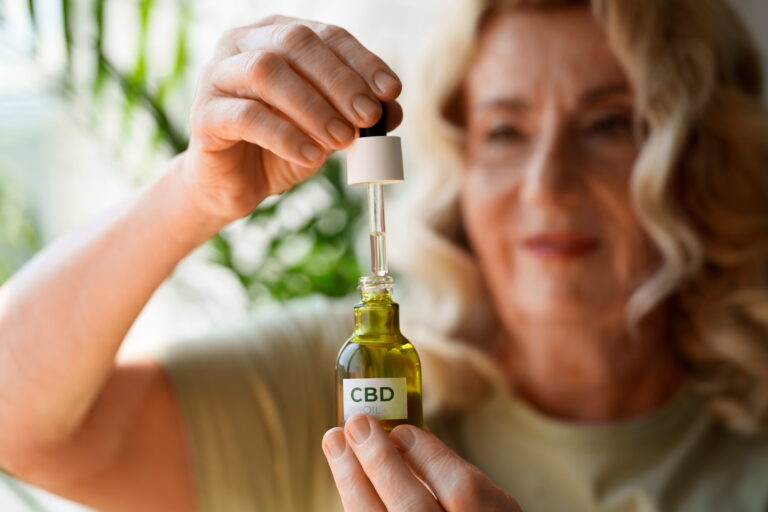
Beyond pharmaceuticals, CBD entered the wellness market. Oils, edibles, balms, and beverages flooded shelves, with consumers turning to CBD for stress relief, sleep support, and chronic pain. Its non-psychoactive nature made it especially appealing to those seeking alternatives to traditional medication.
Legal Battles and Changing Perceptions
Despite its popularity, legal debates persisted. Some countries have fully legalized CBD, while others have imposed restrictions. Public opinion, however, continued to shift—fueled by personal testimonies, media coverage, and scientific backing.
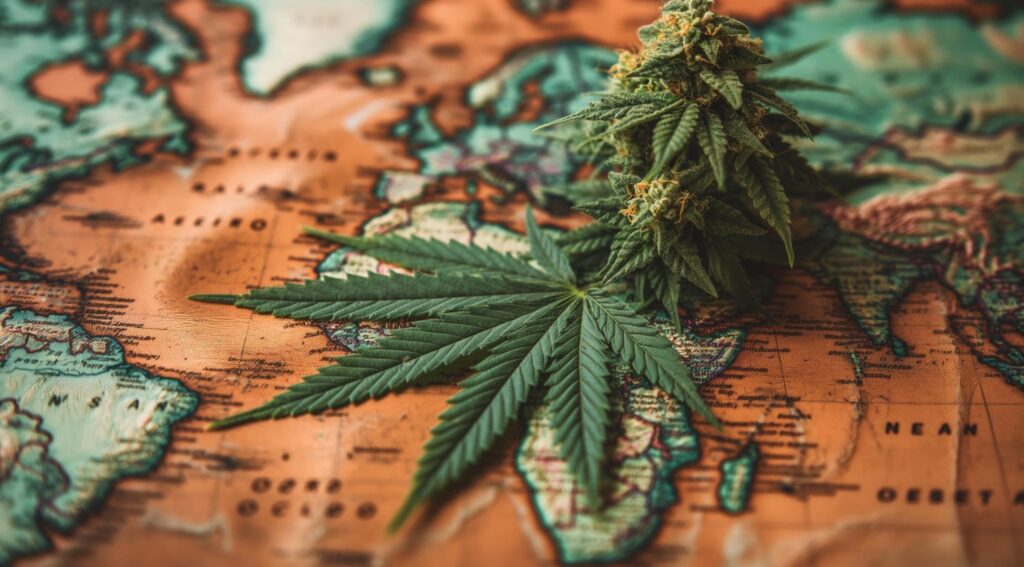
Global Perspectives on CBD History
Europe’s Evolving Policies
European nations have taken varied approaches. Countries like Switzerland and the UK permitted CBD as a wellness product, while others moved slowly toward medical acceptance.
South America and Medical Cannabis Movements
South America saw grassroots campaigns by families of epilepsy patients, particularly in Brazil and Argentina, driving governments to reconsider CBD restrictions.
Asia and Shifts in Traditional Use
Asia, with its long history of cannabis in medicine, has been more cautious. However, countries like Thailand have begun legalizing medical cannabis, reconnecting with ancient traditions.
Conclusion: The Long Journey of CBD Through Time
The history of CBD is a remarkable tale of rediscovery. From sacred rituals in ancient India to modern clinical trials, CBD has journeyed across millennia, cultures, and legal landscapes. What was once a plant-based remedy used by shamans and physicians is now the subject of rigorous scientific exploration and global debate.
CBD’s story reminds us that progress often means looking backward—honoring traditional wisdom while embracing scientific innovation. As research advances, CBD stands at the intersection of history and future medicine, carrying with it the legacy of centuries past.