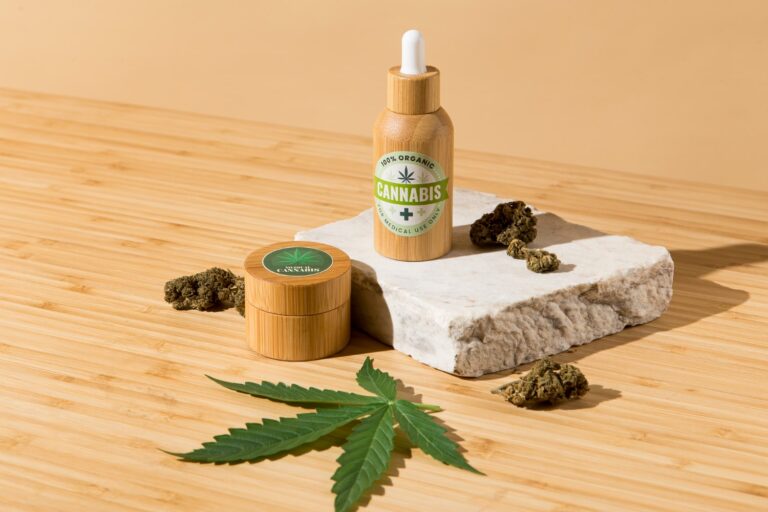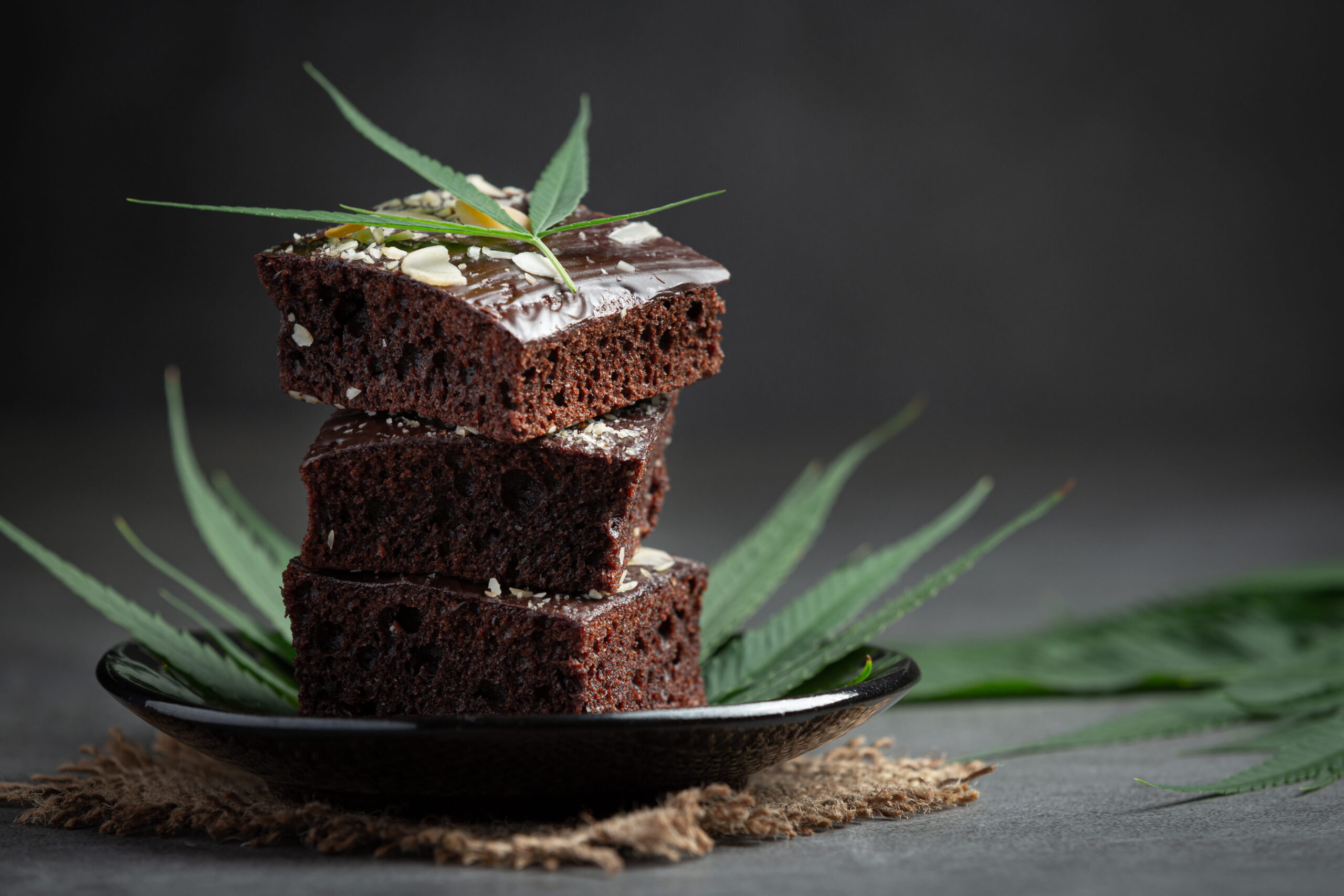
The question of whether CBD (cannabidiol) enhances the flavor of food arises from broader discussions about cannabinoids and sensory perception. While THC (tetrahydrocannabinol), the psychoactive compound in cannabis, is well-documented for amplifying taste and smell—often leading to the “munchies” and heightened enjoyment of food—CBD’s effects appear far more subtle and inconsistent. Anecdotal reports from some users suggest improved flavor discernment or a more enjoyable eating experience, but scientific evidence largely indicates that pure CBD does not significantly alter taste perception or make food taste better in the same way THC does. This distinction stems from differences in how these cannabinoids interact with the endocannabinoid system, taste receptors, and brain regions involved in sensory processing.
Scientific Evidence on Cannabinoids and Taste Perception
Research primarily focuses on the endocannabinoid system (ECS), which includes receptors like CB1 found in taste buds and related neural pathways. Studies show that endocannabinoids (natural body compounds mimicking cannabinoids) and THC can selectively enhance sweet taste responses by acting directly on tongue taste cells co-expressing CB1 and sweet receptors (T1r3). This leads to increased sensitivity to sweets without affecting salty, sour, bitter, or umami tastes.
However, controlled human and animal studies on CBD specifically reveal limited or no impact:
- A double-blind, placebo-controlled trial with oral cannabinoids (including marijuana-derived compounds) found no measurable changes in taste intensity or hedonic (pleasure) ratings for sweet, sour, salty, or bitter stimuli, despite self-reported shifts possibly linked to cognitive or memory effects rather than direct gustatory changes.
- An explorative placebo-controlled study with inhaled low doses of THC and CBD showed no influence on sweet taste intensity perception, liking, or food preferences in humans.
- Animal models confirm endocannabinoid modulation enhances sweet taste peripherally (at taste buds), but THC drives most reported enhancements, while CBD lacks strong evidence for similar gustatory effects.
CBD may interact indirectly through anti-inflammatory or neuroprotective properties, potentially preserving or subtly supporting taste function in certain contexts (e.g., during chemotherapy-induced alterations), but it does not reliably amplify flavors.
Anecdotal Reports vs. THC-Driven Effects
Many anecdotal accounts describe enhanced taste after CBD use, with users noting clearer distinction of flavors, a more “extrasensory” quality to meals, or greater enjoyment without appetite surges. These experiences often occur with full-spectrum CBD products containing trace THC, which could contribute to mild sensory boosts via the entourage effect.
In contrast, THC’s well-established mechanisms include:
- Heightened olfaction via brain olfactory bulb activation, amplifying aromas that heavily influence perceived taste.
- Dopamine release and ghrelin stimulation, increasing reward from eating and making flavors more vivid.
- Direct CB1 activation in taste pathways, selectively boosting sweet perception.
Pure or broad-spectrum CBD (THC-free) typically lacks these psychoactive or strong appetite/sensory effects, explaining why most users do not report dramatic flavor enhancements.
Factors Influencing Perceived Taste Changes with CBD
Any subtle improvements in food enjoyment from CBD may stem from non-gustatory benefits:
- Reduced anxiety or stress, leading to more mindful eating and greater appreciation of meals.
- Improved overall well-being or mood, indirectly enhancing hedonic responses to food.
- Better focus on sensory details during relaxed states.
Product-specific factors also play a role—flavored CBD oils or edibles mask hemp’s earthy taste, but this concerns the product’s palatability, not enhancement of external food flavors.
Individual variability (metabolism, dosage, product type) further complicates reports, with low-THC full-spectrum items occasionally mimicking mild THC-like sensory perks.
Important Considerations
CBD is generally safe and non-intoxicating, but effects on taste remain unproven for broad enhancement. Claims of flavor amplification are more reliably tied to THC-dominant cannabis. For those seeking sensory benefits, evidence favors THC over isolated CBD. Always use third-party tested products, start with low doses, and consult a healthcare provider, especially if addressing taste issues related to health conditions.
Can you put CBD oil in food?
Yes, you can put CBD oil in food, and many people do so as a convenient way to incorporate cannabidiol into their daily routine. This method turns ordinary meals, snacks, or drinks into infused edibles, providing a tasty alternative to taking it sublingually (under the tongue) or via capsules. CBD oil is fat-soluble, so it blends well with fatty ingredients and can enhance absorption when paired with fats.
How CBD Oil Works in Food
When added to food, CBD oil follows the same digestive pathway as edibles: it passes through the stomach and liver (first-pass metabolism), leading to slower onset but longer-lasting effects compared to sublingual use. Effects typically begin in 30 minutes to 2 hours and can last 4-8 hours or more. This makes it ideal for sustained wellness support, such as relaxation or discomfort relief throughout the day.
However, bioavailability may be lower than sublingual methods unless paired with fats, as the liver metabolizes a significant portion before it reaches the bloodstream. Adding it to fatty foods (like those with avocado, nuts, or oils) improves uptake.
Best Ways to Add CBD Oil to Food
- No-Heat or Low-Heat Applications — These preserve potency best. Stir drops into smoothies, yogurt, coffee, tea, salad dressings, guacamole, pesto, soups (after cooking), or no-bake treats like energy balls, whipped cream, or chia pudding. Strong-flavored recipes (herb-heavy or spiced) mask any earthy hemp taste from full-spectrum oils.
- Baked Goods — You can add CBD oil to batters for cookies, brownies, or muffins, but keep oven temperatures at 350°F (177°C) or lower. Heat disperses evenly in the oven, reducing direct exposure. Add to icings, frostings, or toppings post-baking for maximum retention.
- Finishing Touches — Drizzle over finished dishes like glazed vegetables, pasta, sandwiches, or breakfast items (e.g., toast with avocado). Avoid direct high-heat methods like frying or sautéing, as this can degrade CBD.
- Mix with Carrier Fats — Blend CBD oil into coconut oil, olive oil, butter, or MCT oil first for even distribution and better absorption. This creates a versatile infused base for recipes.
Start with a low dose (e.g., 5-10mg per serving) and calculate based on your product’s strength (check the label for mg per dropper or ml). Divide the total CBD across servings for accuracy.
Heat Stability and Potential Degradation
CBD is heat-sensitive and can degrade through thermal breakdown or oxidation at high temperatures, potentially reducing potency. Studies and expert guidance indicate:
- Significant degradation often begins above 320-356°F (160-180°C), with boiling around 428°F (220°C).
- Avoid direct high heat (e.g., frying pans, stovetop sautéing), as it may alter composition or form byproducts.
- Moderate oven baking (under 350°F) is generally safe, as heat isn’t concentrated directly on the oil.
- No-heat or post-cooking addition is optimal to maintain full effectiveness.
Carrier oils (like olive or sunflower) in some products may also form free radicals when overheated, further impacting stability.
Important Considerations and Safety
- Legality and Quality — Hemp-derived CBD (<0.3% THC) is federally legal in many places (e.g., U.S. under the 2018 Farm Bill), but check local laws. The FDA does not approve CBD as a food additive and has concerns about commercial infused foods (e.g., risk of overconsumption or accidental intake, especially by children). Personal use in homemade food is common and generally not targeted, but prioritize third-party tested products with Certificates of Analysis for purity, potency, and no contaminants.
- Taste and Effects — Full-spectrum oils may add an earthy or herbal note (mask with strong flavors). Broad-spectrum or isolate options are often neutral. Effects vary by individual factors like metabolism and dose.
- Precautions — CBD can interact with medications (e.g., via liver enzymes) and may cause side effects like drowsiness or digestive upset. Consult a healthcare provider before use, especially if pregnant, nursing, or on prescriptions. Start low and monitor response.
The final thoughts of Cbd food
Yes, adding CBD oil to food is a popular, effective, and enjoyable way to consume it, particularly in no-heat recipes like smoothies, dressings, or drizzles over meals, where it blends seamlessly and supports better absorption with fats. While moderate baking works, avoid high direct heat to prevent potency loss—CBD degrades significantly above 320-356°F. This approach offers longer-lasting effects than sublingual use, making it great for daily wellness routines. Always use high-quality, tested products, dose carefully, and seek professional advice for safe, personalized results. Experimenting in the kitchen can make CBD feel like a natural part of your diet rather than a supplement.