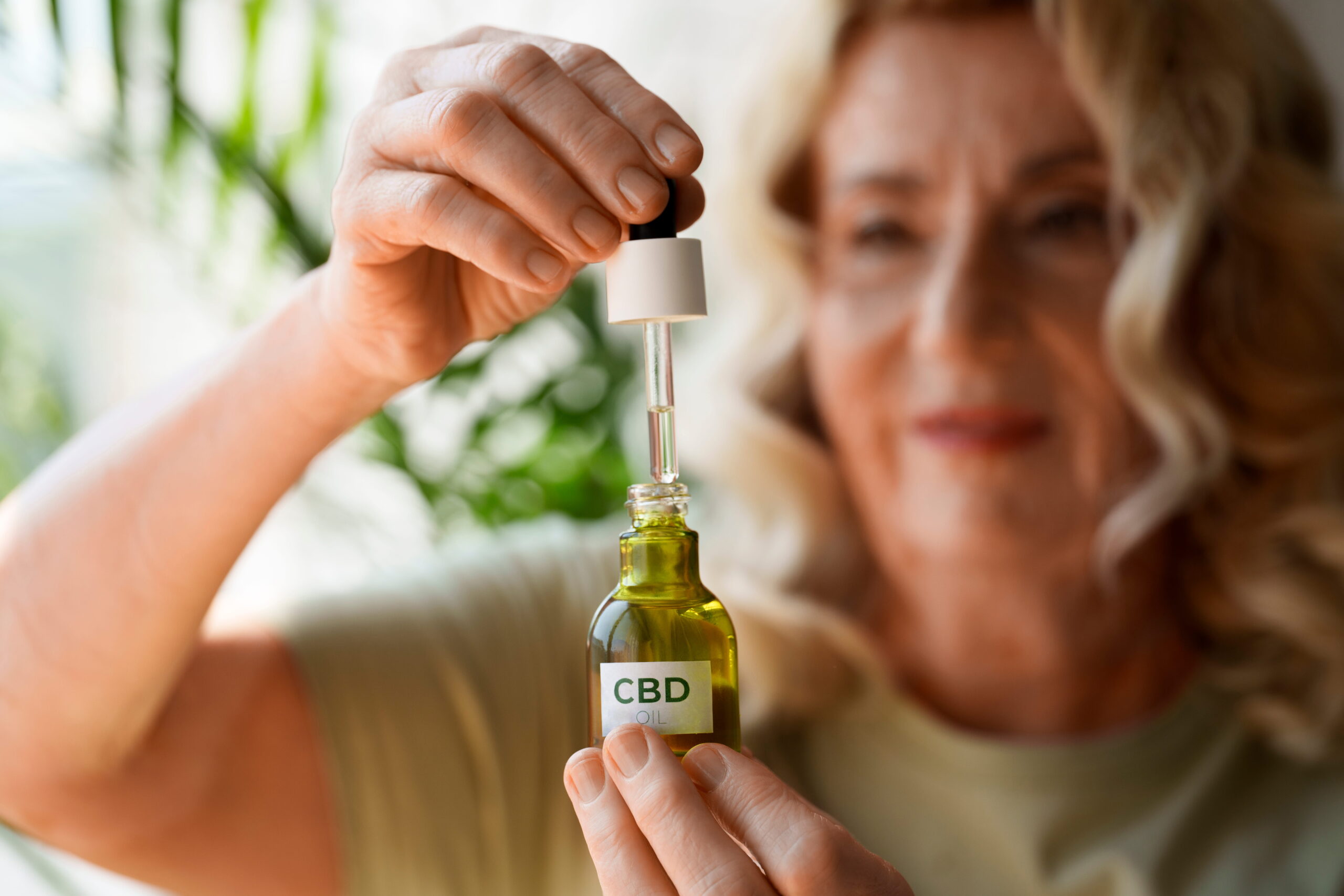
CBD culture refers to the social, wellness-oriented, and lifestyle-driven phenomenon surrounding cannabidiol (CBD), the primary non-psychoactive phytocannabinoid in the cannabis plant. Unlike broader cannabis culture—often tied to THC’s psychoactive effects and historical countercultural movements—CBD culture emphasizes relaxation, holistic health, natural remedies, and integration into everyday routines without intoxication. It has emerged as a mainstream wellness trend, blending ancient plant traditions with modern science, consumer products, and societal shifts toward natural alternatives for stress, pain, sleep, and self-care. As of 2026, CBD represents a multi-billion-dollar global industry, fueled by legalization of hemp-derived products, scientific interest, and evolving perceptions of cannabis as a tool for balance rather than recreation.
Historical Roots and Evolution of CBD Culture
CBD’s cultural journey traces back to ancient uses of the cannabis plant for wellness and rituals, long before its isolation as a distinct compound.
- Ancient Origins: Cannabis has been used for over 5,000 years across cultures in Asia, India, the Middle East, and beyond. Early societies employed it for medicinal, spiritual, and practical purposes—fiber, food, and remedies—often in rituals symbolizing enlightenment or healing. Hemp (low-THC varieties) was central to textiles and nutrition in temperate regions, while higher-resin types appeared in traditional practices.
- Scientific Discovery: CBD was first isolated in 1940 by chemist Roger Adams at the University of Illinois, though its structure and non-psychoactive nature weren’t fully understood until later. In 1963, Raphael Mechoulam identified CBD alongside THC, sparking research into cannabinoids. Early animal tests in the 1940s–1960s showed CBD lacked THC’s intoxicating effects, laying the groundwork for its therapeutic exploration.
- 20th-Century Suppression and Revival: Global prohibition (e.g., U.S. Marijuana Tax Act of 1937 and Controlled Substances Act of 1970) stifled research and cultural acceptance. Hemp’s industrial decline further marginalized non-psychoactive uses. Revival began post-2010s with the endocannabinoid system’s discovery and evidence of CBD’s potential benefits, culminating in the 2018 U.S. Farm Bill legalizing hemp-derived CBD (<0.3% THC), sparking explosive growth.
This history shifted CBD from a stigmatized plant derivative to a symbol of natural wellness, distinct from THC-dominant recreational cannabis culture.
Modern CBD Culture: Wellness and Lifestyle Integration
In contemporary society, CBD culture centers on holistic wellness, self-care, and destigmatization. It appeals to diverse demographics seeking non-intoxicating alternatives to pharmaceuticals or alcohol.
- Wellness and Lifestyle Trends: CBD embodies a “clean,” plant-based approach to health. Users incorporate it for stress reduction, relaxation, better sleep, pain/inflammation management, mood support, and recovery. Products like oils, tinctures, gummies, topicals, beverages, and skincare integrate seamlessly into routines—morning coffee with CBD drops, evening teas for unwinding, or post-workout creams. It’s popular among millennials, Gen Z, and older adults prioritizing natural remedies amid rising mental health awareness.
- Social and Cultural Shifts: CBD normalizes cannabis discussions without the “high.” It fosters mindful consumption in social settings (e.g., CBD mocktails at gatherings) and replaces alcohol for some (“Cali sober” lifestyles). Influencers, celebrities, and athletes endorse it for performance recovery and mental clarity, further mainstreaming it.
- Market and Product Diversity: The global CBD market continues expanding, with innovations in personalized blends (e.g., with adaptogens or terpenes), functional beverages, luxury skincare, and pet products. Trends include full-spectrum options for entourage effects, nano-emulsified for better absorption, and sustainable/organic sourcing. Edibles, topicals, and drinks dominate for convenience and masking earthy tastes.
CBD culture promotes education, transparency (third-party testing, COAs), and responsible use, countering early hype with evidence-based expectations.
Societal and Cultural Impacts
- Destigmatization and Normalization: CBD has helped separate “cannabis” from solely recreational or illicit connotations, highlighting therapeutic potential. It influences broader cannabis acceptance, with many viewing it as a legitimate wellness aid rather than a drug.
- Global Variations: In places like the U.S., Europe, and parts of Asia, CBD thrives in wellness markets despite regulatory hurdles (e.g., FDA views on food additives). Cultural acceptance varies—some regions embrace it for holistic health, others remain cautious due to historical stigma.
- Broader Influence: CBD intersects with sustainability (hemp’s eco-friendly cultivation), beauty (plant-based skincare), and mental health advocacy, contributing to conversations on natural alternatives in a fast-paced world.
Important Considerations
While CBD culture celebrates its benefits, evidence remains emerging—strongest for epilepsy (FDA-approved Epidiolex), with promising but preliminary support for anxiety, pain, and inflammation. Individual responses vary; side effects like fatigue or interactions are possible. Always prioritize third-party tested products, start low, and consult healthcare providers, especially with medications or conditions. Regulatory landscapes evolve, with ongoing debates on safety, labeling, and novel food status in some regions.
Culture CBD France
The culture of CBD in France refers primarily to the cultivation of industrial hemp (chanvre) for producing cannabidiol (CBD) products. France has one of Europe’s most developed hemp and CBD sectors, but it’s heavily regulated to distinguish it from recreational cannabis.
Legal Status of CBD Cultivation in France (as of 2026)
CBD itself is legal when derived from approved industrial hemp varieties, with a key limit: the THC content must not exceed 0.3% (harmonized with EU rules since around 2022–2023). Products exceeding this are classified as narcotics and prohibited.
- Who can cultivate? Only professional farmers (agriculteurs actifs) registered with the MSA (Mutualité Sociale Agricole) and holding a SIRET number. Private individuals/amateurs are strictly prohibited from growing hemp for CBD, even for personal use—doing so risks penalties, as it’s reserved for traceable professional production.
- Requirements for legal cultivation:
- Use only certified seeds from varieties listed in the official EU catalogue (or French official list) of low-THC Cannabis sativa L. (e.g., Fedora 17, Carmagnola, etc.).
- The entire plant (from seed to harvest) must stay ≤0.3% THC.
- No selling of plants or cuttings; focus is on industrial/commercial use (fibers, seeds, extracts for CBD).
- Farmers must declare crops and ensure traceability to avoid any drift toward high-THC cannabis.
- Flowers and leaves: Cultivation is allowed for industrial processors (to make extracts), but raw flowers/leaves face restrictions in final consumer products due to health concerns (e.g., smoking risks). Sales of CBD flowers/resins are permitted but heavily scrutinized.
The market stabilized after major clarifications in 2021–2022 (following EU court rulings and French decrees), allowing broader sales of CBD products like oils, cosmetics, infusions, etc.
Current Industry and “Culture” Status (2026)
France leads Europe in hemp production, with around 24,000+ hectares cultivated (mostly for fibers/seeds, but increasingly CBD-focused). The sector employs tens of thousands and is valued in the hundreds of millions of euros. It’s seen as “green gold” for sustainable uses (textiles, construction, wellness).
However, 2025–2026 brought turbulence:
- The Projet de Loi de Finances (PLF) 2026 proposed heavy taxes on “smokable” CBD (flowers, resins, pre-rolls)—potentially equating them to tobacco with excise duties up to 25%+—and even a state monopoly via tobacconists.
- Some restrictive articles were suppressed/rejected in parliament, providing temporary relief to specialized CBD shops.
- Risks persist: tighter controls, potential new taxes, or reclassifications loom, especially for inhalable products. The industry (producers, shops) pushes for clear, fair rules to avoid stifling growth.
Many French brands emphasize local, organic production (“Made in France” CBD), with shops and online boutiques widespread (e.g., in Paris, South of France). The “culture” around CBD here ties into wellness, relaxation, and an alternative to traditional cannabis—often marketed as natural, non-psychoactive.
If you’re asking about growing your own (personal culture), unfortunately, no—it’s not allowed for non-professionals. For buying or learning more about the scene, France has a vibrant (if regulated) market.
If this doesn’t match what you meant (e.g., a specific shop like “Culture CBD France,” a brand, or something else), feel free to clarify!
