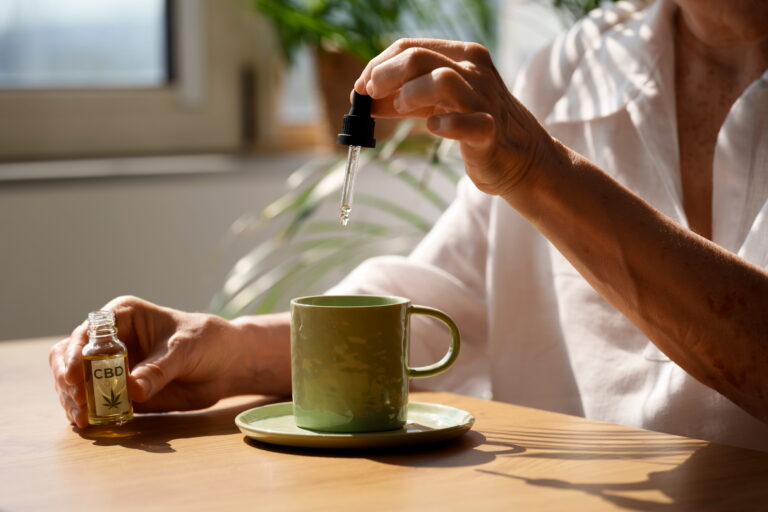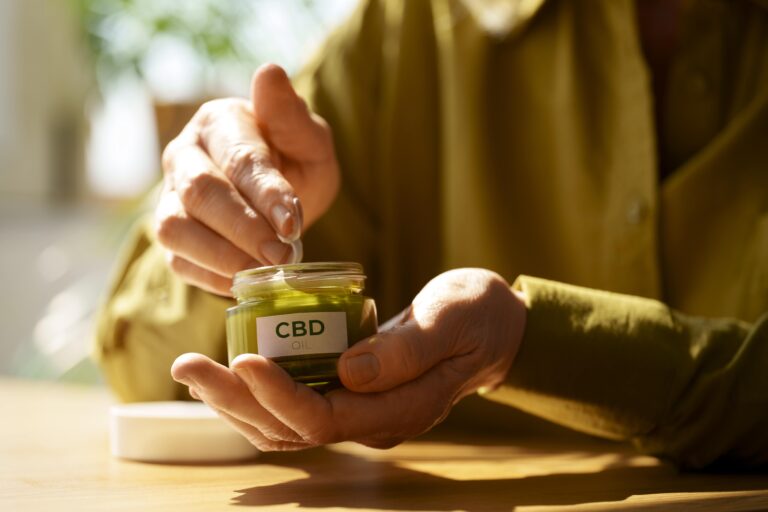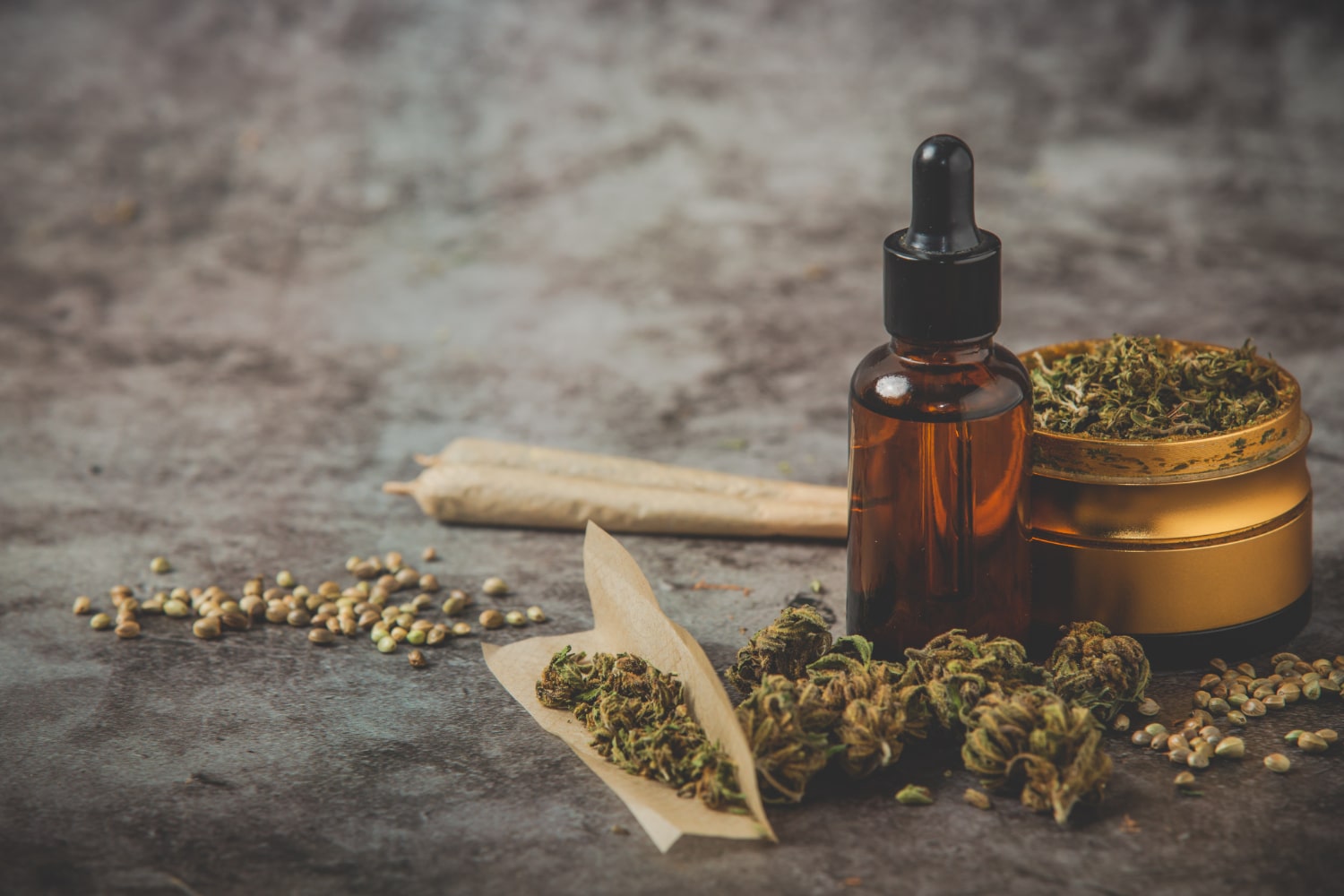
CBD, or cannabidiol, is a non-psychoactive compound derived from the cannabis plant (often from hemp) that has gained significant attention as a potential natural health solution. Unlike THC, CBD does not cause a “high.” It’s commonly available in forms like oils, capsules, gummies, topicals, and more.
This comprehensive guide explores CBD’s potential health benefits, supported by scientific evidence (including recent 2025-2026 research), risks, side effects, legality, and practical considerations. Always consult a healthcare professional before using CBD, especially if you take medications or have health conditions.
Key Benefits of CBD health solutions
Research on CBD continues to evolve, with the strongest evidence for certain uses and promising but mixed results for others.
- Epilepsy and Seizure Disorders The most well-established benefit: The FDA-approved drug Epidiolex (pure CBD) effectively reduces seizures in rare, severe forms of epilepsy like Dravet syndrome and Lennox-Gastaut syndrome. Clinical trials show significant seizure reduction, and this remains one of the few areas with robust, approved evidence.
- Chronic Pain and Inflammation CBD shows promise for managing chronic pain, including neuropathic pain, arthritis, and inflammatory conditions. Recent 2025 studies (e.g., Yale research on cannabinoids like CBD, CBG, and CBN) indicate it may reduce pain signaling in the peripheral nervous system without psychoactive effects. Animal and some human studies suggest anti-inflammatory effects by modulating cytokines. However, a 2025 OHSU review found CBD-heavy products offered little pain relief compared to THC-containing ones, though new nano-formulations show faster, side-effect-free relief in preclinical models.
- Anxiety and Stress Many users report reduced anxiety, and early studies support this for social anxiety and general anxiety disorders. CBD may influence serotonin receptors and calm the nervous system. Observational data show improvements in moderate to severe cases, though results vary, and more large-scale RCTs are needed.
- Sleep Issues: CBD may indirectly improve sleep by addressing underlying anxiety, pain, or stress. Some studies report better sleep quality and duration, with one 2025 review noting potential for anxiety-related insomnia. Effects can differ—some experience longer sleep but altered sleep patterns.
- Other Emerging Areas
- Neurological Protection: Preliminary research suggests benefits for age-related cognitive decline, reducing brain inflammation in animal models.
- Skin Conditions: Anti-inflammatory and antimicrobial properties may help acne, psoriasis, or dermatitis.
- Nausea and Appetite: Supported for chemotherapy-related issues (often in combination products).
Note: Recent large reviews (2025) emphasize that while public enthusiasm is high, strong scientific support remains limited to epilepsy, nausea, and specific pain scenarios. Many claims for pain, anxiety, and insomnia lack conclusive evidence from high-quality trials.
Potential Risks and Side Effects of the CBD Health Solution
CBD is generally well-tolerated, but it’s not risk-free.
- Common Side Effects: Dry mouth, diarrhea, reduced appetite, drowsiness, fatigue, and irritability.
- Serious Concerns:
- Liver enzyme elevations (seen in some trials at higher doses; monitor with blood tests).
- Drug interactions (CBD affects liver enzymes, potentially altering levels of blood thinners, antidepressants, seizure meds, etc.).
- Quality issues: Many products are mislabeled for CBD content or contain contaminants.
- High doses may cause mood changes or sedation. Avoid combining with alcohol or sedatives.
Pregnant/breastfeeding individuals and those with liver issues should avoid it. Start low and go slow.
Legality of CBD (as of 2026)
- United States: Hemp-derived CBD with <0.3% THC is federally legal under the 2018 Farm Bill. However, FDA rules prohibit marketing it as a dietary supplement or food additive in many cases, though products are widely sold. State laws vary—check local regulations. Expect clearer FDA frameworks soon.
- Pakistan: Hemp cultivation and CBD are emerging, with some industrial hemp development, but regulations are strict. Cannabis remains largely controlled; hemp-derived CBD with low THC may be permissible in limited contexts, but consult local laws or authorities, as enforcement varies. Medical cannabis access is restricted.
Always buy from reputable sources with third-party lab testing (COA) showing THC levels, purity, and accurate dosing.
How to Use CBD Safely
- Dosage: No universal dose—start at 10-25mg/day and adjust. Prescription forms like Epidiolex use higher amounts under medical supervision.
- Forms: Oils/tinctures (fast absorption), capsules (convenient), topicals (localized pain), edibles (longer-lasting).
- Tips: Choose broad-spectrum or isolate if avoiding THC. Track effects in a journal.
CBD offers exciting potential as a natural health aid, particularly for epilepsy, pain, and anxiety-related issues, but it’s not a miracle cure. Ongoing research (including 2025 advances in pain formulations and neuroprotection) continues to refine our understanding.
For personalized advice, consult a doctor—especially in regions like Pakistan, where access and regulations differ. Stay informed, as science and laws evolve rapidly.
CBD health of indiana
CBD Health Solutions in Indiana: A Comprehensive Guide (Updated January 2026)
CBD (cannabidiol) remains a popular natural option for supporting wellness in Indiana, where hemp-derived products are widely available despite the state’s strict stance on marijuana. Indiana has some of the toughest cannabis laws in the U.S.—recreational and medical marijuana (beyond limited CBD) are illegal—but hemp-derived CBD with low THC is explicitly legal under state and federal rules.
This SEO-optimized guide covers Indiana’s current CBD legality, potential health benefits (backed by science), risks, how to use it safely, and key updates as of January 2026. Always consult a healthcare provider before starting CBD, especially if you’re on medications.
Is CBD Legal in Indiana in 2026?
Yes, hemp-derived CBD is legal in Indiana for possession, sale, purchase, and use, as long as it meets these key requirements:
- Derived from industrial hemp.
- Contains no more than 0.3% delta-9 THC by dry weight (aligning with the 2018 federal Farm Bill and Indiana’s Senate Enrolled Act 52 from 2018).
- Complies with labeling, testing, and packaging rules (e.g., accurate CBD content, no unapproved health claims).
Indiana exempts qualifying low-THC CBD from its marijuana definition, making it available without a prescription. You can find CBD oils, capsules, gummies, topicals, and more in retail stores, vape shops, and online (shipped to Indiana).
Important Caveats and 2026 Updates:
- Smokable hemp/CBD flower is prohibited in Indiana.
- Products with higher THC (e.g., delta-8, delta-10, THCA) or intoxicating effects face restrictions.
- A major federal change from late 2025 (in a spending bill) redefines hemp limits to 0.4 mg total THC per package (a very low threshold) and bans many hemp-derived THC products. This takes effect in November 2026 unless delayed.
- An Indiana congressman (Rep. Jim Baird) introduced H.R. 7010 in January 2026 to postpone the ban until 2028, with bipartisan support. As of mid-January 2026, the ban remains scheduled for late 2026, which could limit many current CBD/hemp products (including some with trace THC).
- Indiana has its own hemp regulations (via the Office of Indiana State Chemist at Purdue University), focusing on growers/handlers, but retail finished products follow federal/state THC caps.
- No broad medical cannabis program exists—only low-THC CBD is allowed for general use.
Buy from reputable brands with third-party lab testing (COA) showing THC <0.3% and no contaminants.
How to Use CBD Safely in Indiana
- Forms: Tinctures/oils (sublingual for fast effects), capsules/edibles (convenient), topicals (for localized pain).
- Dosage: No standard—individual. Begin low, track effects.
- Tips: Opt for broad-spectrum/isolate CBD to minimize THC. Look for COAs. Avoid driving impaired.
- Where to Buy: Local shops, pharmacies, or trusted online vendors compliant with Indiana/federal rules