CBD food trucks represent a niche intersection of the booming food truck industry and the growing popularity of hemp-derived cannabidiol (CBD) products. These mobile vendors specialize in serving CBD-infused foods and beverages—such as sandwiches, paninis, teas, gummies, slushies, tacos, or desserts—aimed at customers seeking wellness benefits like relaxation or stress relief alongside tasty meals. Unlike THC-infused options (which remain heavily restricted and often prohibited in mobile formats), CBD food trucks operate in a more accessible legal space thanks to the 2018 U.S. Farm Bill, which legalized hemp-derived CBD with less than 0.3% THC. As of 2026, while the concept peaked around 2019 with pioneering examples, these trucks continue to appear in select markets, often as innovative, veteran-owned, or wellness-focused ventures. They appeal to health-conscious consumers looking for convenient, on-the-go alternatives to traditional CBD consumption.
History and Emergence of CBD Food Trucks
The rise of CBD food trucks coincided with the 2018 Farm Bill’s passage, which removed hemp from the controlled substances list and sparked a surge in CBD products. In 2019, several states saw their first CBD-infused food trucks, capitalizing on the novelty of mobile wellness offerings.
- Veteran Vibe CBD in Nashville/Franklin, Tennessee, launched as the state’s first CBD food truck. Run by service-disabled veterans, it focused on holistic living by infusing CBD into paninis (e.g., Cuban or turkey sandwiches drizzled with CBD olive oil), teas, slushies, and gummy worms—all sourced from veteran-owned suppliers where possible.
- La Xochitl Burgers and Tacos in Denver, Colorado, became one of the earliest examples, offering CBD-infused pizzas, Mexican dishes, and Americana-style recipes on request, targeting the “food truck generation” in a cannabis-friendly market.
- Other notable mentions include trucks in San Antonio (e.g., CBD-infused tortillas for street tacos), Oregon (CBD Joe’s serving breakfast, BBQ, and tinctures), and various pop-ups experimenting with CBD in tacos, gelato, or lollipops.
These trucks often emphasized non-intoxicating benefits, with CBD added optionally to avoid uniform dosing issues. Many operated in hemp-legal states, blending culinary creativity with wellness trends.
Menu Offerings and Infusion Methods
Menus typically feature a mix of savory and sweet items to appeal broadly while incorporating CBD discreetly:
- Savory Options — Paninis, sandwiches, tacos (sometimes with CBD-infused tortillas), burgers, or pulled pork, often drizzled with CBD olive oil or infused during preparation.
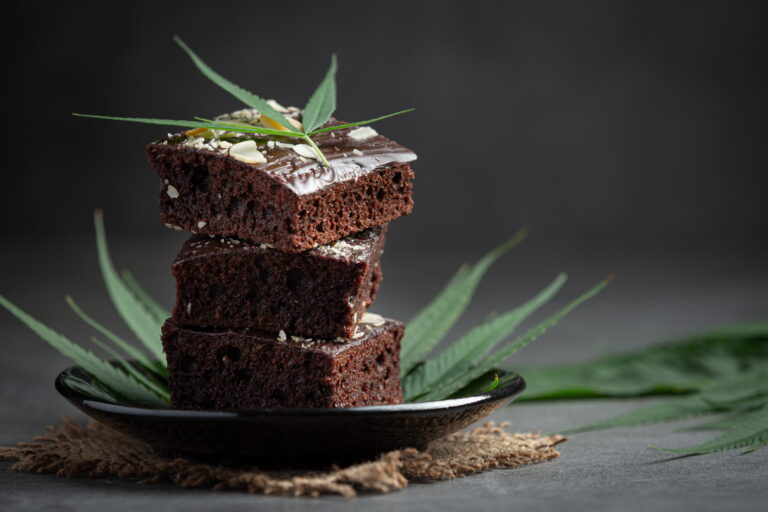
- Sweet and Beverage Options — Teas, slushies, gummies, lollipops, or desserts like gelato/sorbet in flavors such as hibiscus ginger or mojito.
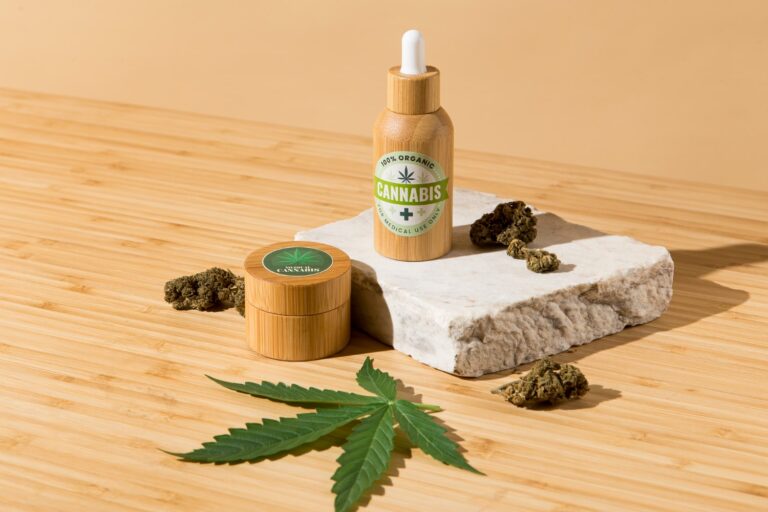
- Infusion Techniques — CBD is added via oils, tinctures, or proprietary methods (e.g., CannaStix sticks that liquefy during cooking). Doses are usually low and optional, with emphasis on natural, organic ingredients.
Trucks prioritize masking any earthy hemp taste with strong flavors, and many offer vegan or customizable options. Prices often stay affordable (under $10-15 per item), positioning them as accessible wellness treats.
Potential Benefits and Appeal of CBD Food Truck
Customers are drawn to CBD food trucks for the combined experience of enjoyable street food and subtle CBD effects:
- Relaxation and Stress Relief — CBD’s potential calming properties pair well with a quick meal, offering a non-alcoholic unwind option at events or lunch breaks.
- Wellness Integration — Many trucks promote holistic benefits, such as pain relief or mood support, without intoxication.
- Convenience and Novelty — Mobile format reaches festivals, markets, expos, or high-traffic areas, making CBD more approachable than store-bought products.
Veteran-owned models add community support angles, sourcing locally or from similar businesses.
Challenges and Regulatory Landscape
Operating a CBD food truck involves navigating dual regulations for food service and hemp products:
- Federal Level — Hemp-derived CBD is legal if under 0.3% THC, but the FDA prohibits adding CBD to food or beverages in interstate commerce, viewing it as an unapproved additive. This creates a gray area for intrastate sales.
- State and Local Variations — Some states allow CBD-infused foods with proper licensing, food handler permits, and health inspections, but others restrict edibles or mobile sales. THC-infused items face stricter rules, often prohibiting mobile dispensaries entirely.
- Practical Hurdles — Compliance includes third-party testing for potency/purity, accurate labeling, child-resistant packaging in some cases, and avoiding claims of medical benefits. Trucks must meet standard food truck requirements (permits, health codes, parking rules) plus any CBD-specific sourcing and testing.
Caution is advised: Many experts recommend verifying product legitimacy, as unregulated CBD can vary in quality. Some trucks stick to selling non-infused food alongside separate CBD items to sidestep complexities.
Modern Examples and Trends (as of 2026) of CBD food trucks
While pioneering trucks from 2019 remain referenced, the trend has evolved toward specialized mobile CBD retail (e.g., 16ft step vans with displays, generators, and TVs for promotions) rather than full infused kitchens. In cities like Austin, TX, related vendors appear near food truck parks, though pure CBD-infused food trucks are less common due to regulatory shifts favoring fixed locations or dispensary tie-ins. Pop-ups and event-based operations persist in hemp-friendly areas.
Important Considerations and Safety
These trucks offer a fun, innovative way to try CBD, but start with low doses to assess tolerance. Consult a healthcare provider for interactions or health concerns. Prioritize vendors with transparent testing (COAs) and compliance. Avoid assuming all “cannabis trucks” are CBD-only—some blend with THC, risking legal issues.
Food Trucks Melbourne CBD
Melbourne’s Central Business District (CBD) is a vibrant hub for street food, but dedicated food trucks are less common directly within the core CBD compared to surrounding suburbs or dedicated parks. The City of Melbourne regulates food vans through a permit program for on-street trading in areas with low cafe density, though many operators focus on events, markets, festivals, or nearby spots like Southbank and Federation Square. Food trucks often appear at major events such as the Queen Victoria Market’s Winter Night Market, Moomba Festival, or pop-ups during summer festivals and community gatherings. For consistent access, head to nearby hubs like The Food Truck Park in Southbank (just across the Yarra, technically adjacent to the CBD) or explore laneways and event spaces where roaming trucks set up.
As of 2026, Melbourne’s food truck scene emphasizes diverse international cuisines, innovative twists on classics, and festival-style pop-ups. While not all trucks are permanently stationed in the CBD, many rotate through central locations, markets, or events for quick, flavorful bites.
Popular Food Trucks and Vendors Often Seen in or Near the CBD
- Greek Street Food — A top-rated option for authentic Greek yiros (gyros) wraps with seasoned rotisserie meat, fresh salads, and sauces. Frequently spotted at family-friendly events like the Antipodes Festival or Moomba in central areas.
- Nem N’ Nem Food Truck — Vietnamese-inspired street eats, praised for fresh, flavorful dishes that draw crowds in urban settings.
- Overdosa — Authentic Indian street food with a passion-driven menu, often appearing in Melbourne’s inner-city spots for bold spices and classics like dosas.
- Round The Way — A standout for creative, travel-inspired bites, frequently recommended for its quality and vibe in central Melbourne.
- The Food Truck Park – Southbank — While just outside the strict CBD boundary (Queensbridge St), this hub hosts rotating trucks with global flavors, live entertainment, and skyline views—perfect for CBD visitors crossing the river.
- Mama’s Gozleme — Turkish gozleme (stuffed flatbreads) and savory pastries, ideal for a quick, hearty grab-and-go.
- Baskervilles Jaffles — Gourmet toasted sandwiches (jaffles) that pop up at events, offering comfort food with a Melbourne twist.
- La Revolucion or Dos Diablos — Mexican-inspired options like tacos and burritos, common at festivals and markets near the CBD.
- Gumbo Kitchen — Louisiana-style Cajun and Creole dishes for those craving bold, spicy flavors.
Other mentions include Trojan Yiros (traditional Greek), Satay Truck (Indonesian nasi goreng and gado gado), and Mr Burger (classic burgers often at Federation Square or events). Trucks like El Chivi (Uruguayan chivito sandwiches) or Cornutopia (Mexican tacos) may appear at central festivals but are more suburb- or market-based.
Where to Find Food Trucks in the Melbourne CBD Area
- Queen Victoria Market — A prime spot with rotating food trucks, especially during night markets or events—home to classics like American Doughnut Kitchen since 1950.
- Federation Square and Events — Iconic for pop-up trucks during festivals, sports events, or seasonal activations.
- Southbank and Yarra River Precinct — The Food Truck Park offers a semi-permanent setup with diverse vendors, communal dining, and easy CBD access.
- City of Melbourne Food Van Sites — Permitted on-street spots in low-density areas; check the City of Melbourne website for current locations (some suspended for works or events).
- Festivals and Markets — Look for trucks at Moomba, Antipodes Festival, or summer circuits—many listed on Time Out Melbourne or Yelp for updates.
Locations change frequently due to permits, events, and weather—use apps like social media (Instagram/Facebook pages for trucks) or sites like Best Food Trucks Melbourne for real-time tracking.
Trends and Appeal
Melbourne’s food trucks highlight multicultural influences: Greek, Indian, Mexican, Vietnamese, and more, often with vegan/vegetarian options. They’re perfect for quick lunches, event grazing, or discovering new flavors without sit-down dining. Many emphasize fresh, local ingredients and sustainability.
Important Considerations
Food trucks may not always be in the exact CBD core—Southbank, Docklands, or markets are common nearby alternatives. Check for updates as spots can shift due to regulations or events. Support local operators by following their socials for locations.