CBD food refers to edibles and culinary items infused with cannabidiol (CBD), a non-psychoactive compound derived from hemp. These products range from homemade recipes using CBD oil or tinctures to commercially available items like gummies, chocolates, baked goods, and savory options. As of 2026, the CBD-infused food and beverage market continues to expand rapidly, driven by consumer interest in natural wellness solutions, with projections showing significant growth due to increasing legalization and awareness of potential benefits. Hemp-derived CBD (with less than 0.3% THC) dominates, offering a discreet, tasty way to incorporate CBD into daily diets without psychoactive effects.
Understanding CBD Food
CBD-infused foods come in diverse forms, allowing users to choose based on preference, dosage needs, and dietary goals. Common types include:
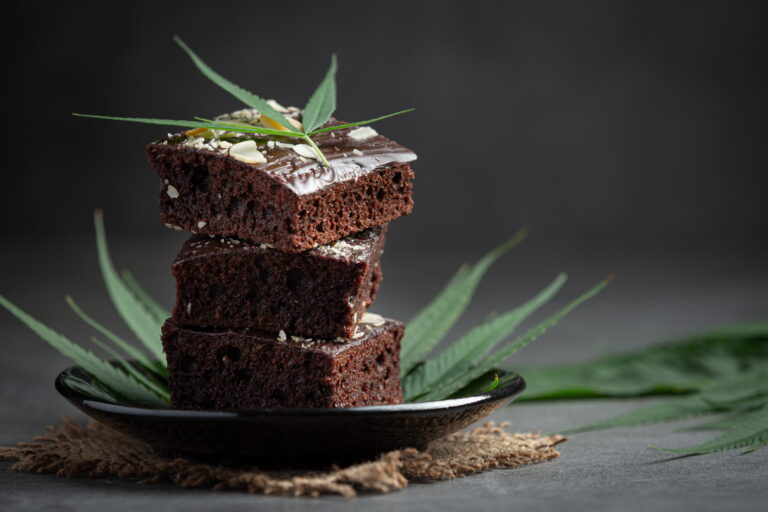
- Sweet Treats and Confectionery: Gummies, chocolates (dark, milk, or white), candies, lollipops, cookies, brownies, and pastries. These are popular for their convenience, pre-measured doses (often 5-25mg CBD per serving), and enjoyable flavors that mask any earthy hemp taste.
- Baked Goods and Snacks: Energy bars, cereal bars, hemp-enriched muesli, nuts, spreads, sauces, dressings, and savory items like infused butters or oils for cooking.
- Beverages and Functional Drinks: Though often separate, some overlap with food in formats like infused honey, teas, or mocktails, but solid edibles focus on chewables and solids.
- Other Innovations: CBD honey sticks, lozenges, gums, and even pet treats in some markets.
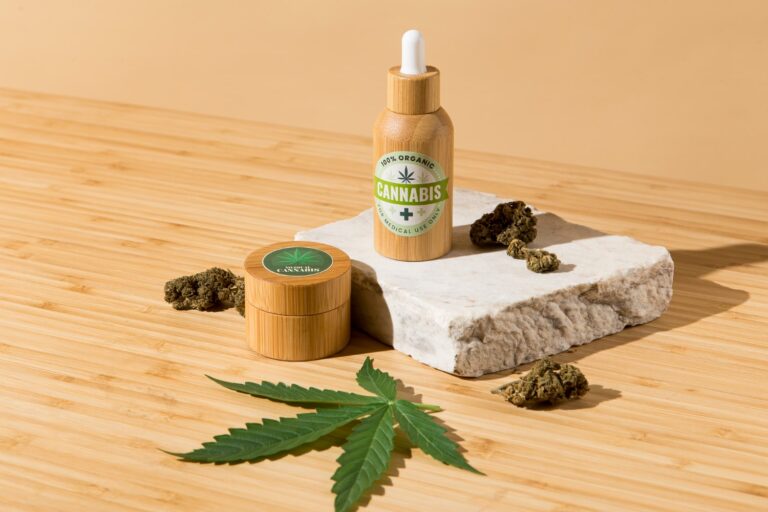
Formulations typically use broad-spectrum or isolate CBD for THC-free options, or full-spectrum for potential entourage effects from minor cannabinoids and terpenes. Nano-emulsified or water-soluble versions improve bioavailability in edibles. Products often include natural flavors, adaptogens, or nootropics for enhanced wellness appeal.
Potential Benefits of CBD Food
Incorporating CBD into food may provide wellness support through its interaction with the endocannabinoid system, regulating mood, pain, inflammation, and more. Emerging research and user reports highlight several areas:
- Stress and Anxiety Reduction: CBD shows promise in lowering anxiety levels, with studies indicating reductions in symptoms for many users. Edibles offer a calming effect suitable for daily routines, potentially easing social anxiety or general tension without sedation.
- Pain and Inflammation Relief: Anti-inflammatory and analgesic properties may help manage chronic pain, arthritis, neuropathic issues, or post-exercise soreness. CBD’s effects on inflammation could benefit conditions like rheumatoid arthritis or bowel issues.
- Improved Sleep Quality: By addressing anxiety or discomfort, CBD edibles may promote better rest and sleep cycles, offering a gentle alternative for occasional insomnia without next-day grogginess.
- Mood and Overall Wellness Support: Potential antioxidant effects, immune modulation, and neuroprotective qualities contribute to general well-being. Some evidence suggests benefits for kidney function or neurological protection in preliminary studies.
- Other Emerging Areas: Possible support for appetite regulation, nausea relief (though more studied with THC), or recovery from physical exertion. Edibles provide longer-lasting effects (4-8 hours) due to digestive processing, ideal for sustained benefits.
Individual responses vary based on dosage, metabolism, and product quality. Typical edible servings (10-50mg CBD) produce subtler effects than higher therapeutic doses in clinical settings. Benefits are supported by growing evidence but remain preliminary for broad claims; CBD is FDA-approved only for specific epilepsy treatments.
How to Incorporate CBD into Food
Adding CBD to food is versatile, especially with tinctures or oils for homemade options:
- Cooking Tips: CBD is fat-soluble, so pair it with high-fat ingredients like butter, oils (coconut, olive), avocado, or dairy for better absorption. Add at low heat to preserve potency—avoid high temperatures that degrade cannabinoids.
- Recipes Ideas: Blend into smoothies, energy balls (dates, oats, nut butter), salad dressings, or baked goods. Start low (5-10mg per serving) and increase gradually.
- Commercial Use: Choose pre-dosed items for consistency. Inform guests if serving infused food, and store products properly to maintain freshness.
Effects from edibles onset in 30-120 minutes (longer than sublingual) and last longer, making them suitable for planned relaxation or recovery.
Should you take CBD with food?
CBD (cannabidiol), a popular non-psychoactive compound from hemp, is commonly taken orally via oils, tinctures, capsules, edibles, or other ingestible forms. A key question for users is whether to consume it with food or on an empty stomach, as this directly impacts absorption, effectiveness, and potential side effects. Research and expert insights consistently point to food—particularly meals containing fats—playing a significant role in optimizing CBD’s performance when taken orally. This is largely due to CBD’s lipophilic (fat-soluble) nature, which affects how it is processed in the digestive system.
Why Food Matters: The Role of Bioavailability
Bioavailability refers to the percentage of CBD that enters the bloodstream and becomes available for the body to use. Oral CBD typically has low bioavailability (around 6-19%) because of extensive first-pass metabolism in the liver, where much of the compound is broken down before reaching systemic circulation, and poor water solubility leading to limited absorption in the gut.
Multiple clinical studies demonstrate that consuming CBD with food dramatically improves these factors:
- A landmark University of Minnesota study on epilepsy patients found that taking CBD capsules with a high-fat meal increased overall exposure (AUC) by about four times and peak blood concentration (Cmax) by up to 14 times compared to fasting.
- Similar results appeared in research on Epidiolex (FDA-approved CBD for epilepsy), where a high-fat meal boosted bioavailability fourfold or more.
- Recent pharmacokinetic studies (including one from 2025) confirmed a substantial food effect, with high-fat meals leading to geometric mean ratios of 9.7 for total exposure and 17.4 for peak levels, often showing biphasic absorption patterns for sustained effects.
- In vitro digestion models and human trials show fed states (especially with lipids) enhance micellarization, allowing more CBD to form absorbable micelles in the intestines via lymphatic pathways, bypassing some liver metabolism.
Without food, absorption remains limited, potentially requiring higher doses for similar effects, and results can be more variable.
Benefits of Taking CBD with Food
- Enhanced Absorption and Potency: Fatty meals promote better dissolution and uptake, meaning more CBD reaches the bloodstream from the same dose. This can lead to stronger, longer-lasting effects (often 4-8 hours or more due to slower digestion).
- Reduced Side Effects: Taking CBD on an empty stomach may cause nausea, upset stomach, or gastrointestinal discomfort in some users. Food buffers this, improving tolerability—especially for capsules or edibles that pass through the digestive tract.
- Consistency and Predictability: Standardizing intake with meals minimizes fluctuations from varying stomach contents, helping maintain steady blood levels for ongoing benefits like stress relief or pain management.
- Better for Ingestible Forms: Capsules, gummies, and swallowed oils benefit most, as they rely entirely on gastrointestinal absorption. Even sublingual tinctures (held under the tongue) see improved systemic uptake if swallowed with food.
When an Empty Stomach Might Be Considered
Some sources note that taking sublingual CBD oil (absorbed partially through oral mucosa) on an empty stomach could allow slightly faster onset for acute needs, like quick anxiety relief, since less interference occurs before partial bypassing of digestion. However, overall bioavailability still suffers, and most evidence favors food for maximal efficiency. Empty-stomach use is generally not recommended as the primary approach.
Best Practices for Taking CBD with Food
- Pair with Fats: Opt for meals or snacks containing healthy fats—avocados, nuts, eggs, cheese, fatty fish, olive oil, coconut oil, or dark chocolate. Medium- and long-chain triglycerides (e.g., in MCT oil carriers) are particularly effective.
- Timing: Take CBD during or shortly after (within 30 minutes) a meal for optimal results. High-fat breakfasts or lunches work well for daytime use.
- Dose Considerations: Start low (e.g., 10-25mg) regardless, but food may allow effective results at lower amounts. Adjust based on personal response.
- Product Type: Water-soluble or nano-emulsified CBD may have less dependence on food, but even these benefit from fats. Always follow product-specific guidance.
Individual factors like metabolism, body weight, and concurrent medications influence outcomes. Effects vary, and CBD is not FDA-approved for most uses beyond specific epilepsy treatments.
Important Considerations and Safety
CBD is generally well-tolerated, but possible side effects include fatigue, dry mouth, or appetite changes. It can interact with medications (e.g., via liver enzymes), so consult a healthcare provider before use, especially if on prescriptions. Choose third-party tested products for accurate potency and purity. Start low and monitor effects.
The Bottom Line: Key Takeaways
Taking CBD with food—especially a meal containing fats—significantly boosts bioavailability (often 4x or more), enhances potency, extends duration, reduces digestive upset, and promotes consistent results compared to an empty stomach. This is backed by multiple human pharmacokinetic studies showing dramatic increases in blood levels and absorption efficiency. For most oral CBD users seeking reliable wellness support, pairing intake with food is the superior strategy. Experiment mindfully, prioritize quality products, and seek professional advice to tailor usage safely and effectively. As research continues, this simple adjustment remains one of the most evidence-based ways to maximize CBD’s potential benefits.