Does CBD Smell Like Weed?. CBD, short for cannabidiol, has become a widely used compound extracted from the cannabis plant, prized for its potential wellness benefits without the intoxicating effects associated with tetrahydrocannabinol (THC). Available in forms like oils, tinctures, edibles, topicals, capsules, and flower, CBD products appeal to many seeking natural support for relaxation, discomfort, or daily balance. A frequent question among newcomers and experienced users alike is: Does CBD smell like weed?
The answer depends heavily on the product type, extraction method, and specific formulation. Pure CBD itself is odorless, but many CBD products carry an aroma due to accompanying plant compounds. In some cases, the scent closely resembles that of traditional cannabis (often called “weed”), while in others, it is mild, earthy, or entirely masked. This variation stems from shared botanical origins: both hemp (the primary source of legal CBD) and marijuana are varieties of Cannabis sativa, sharing many aromatic elements despite differing THC levels.
Hemp-derived CBD, legal in many regions when containing less than 0.3% THC, often produces subtler odors compared to high-THC marijuana. However, certain CBD forms—particularly those involving the plant flower—can produce a familiar cannabis-like smell, raising concerns about discretion or misidentification. This article examines the science behind CBD aromas, product-specific differences, influencing factors, and practical considerations to provide a clear, comprehensive understanding.
What Causes the Smell in Cannabis Products, Including CBD?
The characteristic scent of cannabis does not come from CBD or THC themselves—both cannabinoids are essentially odorless molecules. Instead, the aroma originates from terpenes, volatile organic compounds produced in the plant’s trichomes. Terpenes like myrcene (earthy, musky), limonene (citrusy), pinene (pine-like), caryophyllene (spicy, peppery), and linalool (floral) create the distinctive profiles associated with different strains.
Hemp and marijuana share many of these terpenes, meaning high-terpene CBD products can smell similar to marijuana. The key difference lies in concentration: marijuana often features higher terpene levels for more intense, pungent aromas, while hemp typically has lower overall terpene content, resulting in milder scents. Additional contributors include flavonoids and minor cannabinoids, but terpenes dominate the olfactory experience.
When plant material is heated, burned, or vaporized, these compounds volatilize, amplifying the smell. This explains why some CBD experiences mimic the “weed” odor more closely than others.
Does CBD Flower Smell Like Weed?
CBD flower, also known as hemp flower or CBD bud, consists of dried hemp buds rich in CBD but low in THC. In terms of appearance, texture, and aroma, it closely resembles traditional marijuana flower. Many users report that fresh CBD flower has an earthy, herbal, skunky, or piney scent very similar to weed, especially in strains bred to preserve robust terpene profiles.
The similarity becomes even more pronounced when smoked or vaped. Burning or heating releases terpenes in a way that produces smoke or vapor with a familiar cannabis odor. While some describe it as slightly less pungent or more “green” and grassy compared to high-THC varieties, others find it indistinguishable in casual settings. This can lead to practical concerns, such as the smell lingering on clothes or being noticeable to others who associate it with marijuana.
Does Smoking or Vaping CBD Smell Like Weed?
When consuming CBD via inhalation—whether through pre-rolls, vaporizers, or pipes made from hemp flower—the resulting aroma often mirrors that of smoking marijuana. The combustion or vaporization process releases the same terpenes, creating a cloud with an earthy, herbal, or skunky profile. Unflavored or natural CBD products tend to produce the most recognizable “weed-like” smell, while flavored options (e.g., fruit, mint, or botanical blends) can mask or alter it significantly.
In contrast, some CBD vapes using isolates or distillates with added terpenes or flavorings may produce minimal or pleasant scents that bear little resemblance to traditional cannabis smoke. The intensity varies by strain, quality, and consumption method, but inhalation generally carries the highest potential for a weed-like aroma among CBD delivery forms.
Does CBD Oil Smell Like Weed?
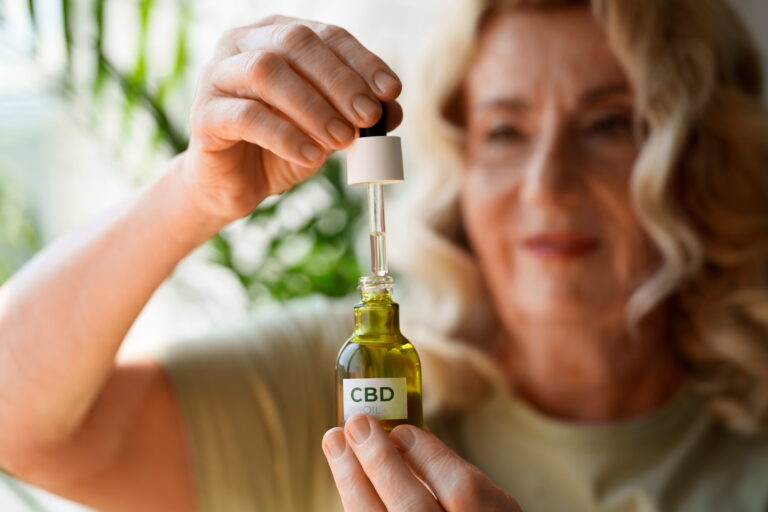
CBD oil, one of the most common formats, typically features a milder scent than flower-based products. The aroma depends on the spectrum:
- Full-spectrum CBD oil retains terpenes and other plant compounds, often resulting in an earthy, grassy, nutty, or herbal smell that some describe as faintly reminiscent of cannabis.
- Broad-spectrum oils remove THC but keep many terpenes, potentially maintaining a similar but usually subtler profile.
- CBD isolates, containing pure CBD without terpenes or other cannabinoids, are generally odorless or have only a very faint neutral scent.
Many CBD oils undergo processing that reduces strong odors, and flavored versions (e.g., peppermint, citrus) effectively mask any natural hemp notes. Overall, CBD oil rarely produces a strong “weed” smell detectable from the bottle or when taken sublingually, making it more discreet than flower.
Does CBD in Other Forms Smell Like Weed?
Topicals (creams, balms, lotions), capsules, edibles (gummies, beverages), and isolates tend to have little to no cannabis-like aroma. Manufacturers often add essential oils, fragrances, or flavorings to create pleasant, neutral, or therapeutic scents (lavender for relaxation, menthol for cooling). Gummies and capsules usually smell like their added flavors—fruity or sweet—rather than hemp.
In these non-inhalation forms, any residual hemp odor is minimal and unlikely to be noticed by others, offering high discretion.
What Factors Influence Whether CBD Smells Like Weed?
Several variables determine the aroma:
- Hemp vs. Marijuana Source — Hemp-derived CBD generally has lower terpene concentrations, leading to milder scents.
- Extraction Method — CO2 extraction preserves terpenes more than some solvent methods, potentially increasing cannabis-like notes.
- Spectrum Type — Full- and broad-spectrum retain more terpenes than isolates.
- Strain and Terpene Profile — High-myrcene strains smell earthier; limonene-dominant ones lean citrusy.
- Processing and Additives — Decarboxylation, distillation, or flavor masking reduces odors.
- Storage and Age — Oxidation over time can alter or weaken scents.
High-quality, lab-tested products often provide transparency about terpene content via certificates of analysis.
Can Others Tell If You’re Using CBD by the Smell?
In most cases—especially with oils, edibles, or topicals—no, the smell is too subtle or masked to raise suspicion. Flower or smoked/vaped CBD carries more risk of detection due to similarity to marijuana smoke. In shared spaces or public settings, discretion depends on the product and method.
How to Choose Low-Odor or Discreet CBD Products
Opt for isolates, flavored tinctures, capsules, or topicals to minimize any hemp-like aroma. Broad-spectrum options balance benefits with reduced scent. Look for products labeled “odorless,” “flavored,” or with third-party terpene profiles.
Conclusion: Does CBD Smell Like Weed Overall?
CBD does not inherently smell like weed—pure CBD is odorless—but many products share aromatic compounds with cannabis due to terpenes. Flower and inhaled forms often produce a very similar scent, while oils, edibles, and isolates are typically mild or neutral. The degree of similarity varies by product type, quality, and formulation, with hemp-derived options generally subtler than high-THC marijuana.
Understanding these nuances helps users select CBD that aligns with their preferences for discretion, experience, and benefits. Always choose reputable sources with transparent testing to ensure quality and accurate labeling.