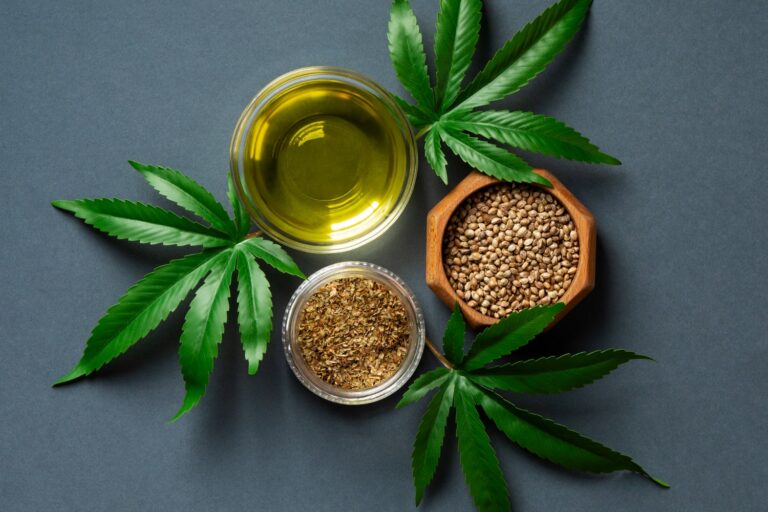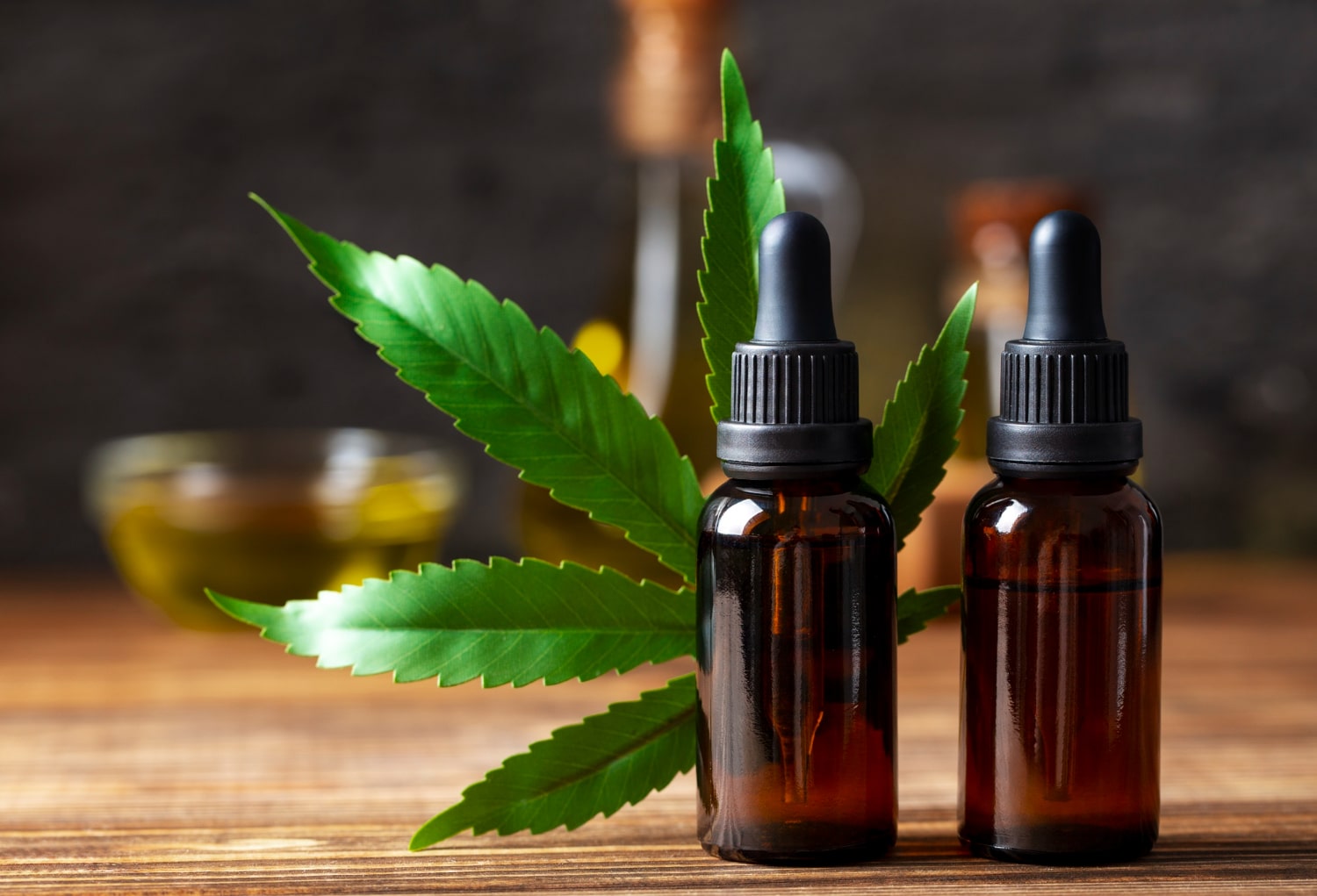
Does CBD Oil Go Bad?. CBD oil has gained widespread popularity as a versatile supplement derived from the hemp plant, valued for its potential to support wellness through non-psychoactive cannabidiol (CBD). Available in forms like tinctures, full-spectrum, broad-spectrum, or isolates, it’s typically mixed with a carrier oil such as MCT (coconut-derived), hemp seed, or olive oil for better absorption. Users often turn to it for daily routines, but a practical concern frequently arises: Does CBD oil go bad?
The answer is yes—CBD oil does go bad over time, primarily through a gradual loss of potency rather than sudden spoilage like perishable foods. While it doesn’t typically become harmful or toxic, its effectiveness diminishes as cannabinoids degrade due to environmental factors. Most high-quality CBD oils maintain optimal quality for 12 to 24 months from the manufacturing or bottling date when stored correctly. Understanding this shelf life, along with signs of degradation, storage methods, and influencing factors, helps ensure you get the most from your product.
This article provides a detailed exploration of CBD oil’s expiration process, drawing from established knowledge on cannabinoid stability and proper handling. Always refer to the specific product’s label for its “best by” or expiration date, as formulations vary.
How Long Does CBD Oil Typically Last Before Going Bad?
The standard shelf life for CBD oil ranges from 1 to 2 years, with many products labeled for 12 to 24 months. Unopened bottles often reach the upper end of this range—closer to 24 months—while opened ones may see reduced longevity, sometimes around 6 to 12 months of peak potency, depending on usage and storage.
This timeframe accounts for the natural degradation of CBD and other compounds like terpenes and minor cannabinoids. Manufacturers determine these dates through stability testing, considering typical conditions. High-quality oils with minimal additives and stable carrier oils (like MCT) tend to last longer, often maintaining noticeable effectiveness near the two-year mark if unopened and properly stored. Lower-quality or poorly formulated products might degrade faster. Checking the printed date on your bottle provides the most accurate guideline for when the oil is expected to perform at its best.
Does Unopened CBD Oil Last Longer Than Opened CBD Oil?
Yes, unopened CBD oil generally has a significantly longer usable life than opened bottles. Sealed packaging—typically dark glass dropper bottles with tight caps—limits exposure to air, light, and contaminants from the moment of production. This protection slows oxidation, a primary cause of degradation, allowing the oil to approach or even slightly exceed the labeled 12-24 month shelf life.
Once opened, each use introduces oxygen, potentially accelerating breakdown. Frequent opening or improper resealing further shortens the effective period. Many experts suggest that opened CBD oil remains reliable for about 6-12 months with careful handling, though potency may start declining noticeably after the first year, regardless. To maximize longevity after opening, reseal tightly immediately after each dose and minimize air exposure.
What Factors Influence Whether CBD Oil Goes Bad?
Several key elements determine how quickly CBD oil degrades and goes bad:
- Carrier Oil Type — The base oil plays a major role in stability. MCT oil and hemp seed oil are relatively resistant to oxidation, supporting longer shelf life. Less stable carriers might spoil sooner.
- Exposure to Light — Ultraviolet rays break down cannabinoids and terpenes rapidly. Clear bottles or storage in bright areas hasten this process.
- Temperature Fluctuations — Heat speeds up chemical reactions, while extreme cold can cause temporary thickening (reversible). Consistent cool conditions preserve quality.
- Air and Oxygen Contact — Oxidation occurs when oxygen interacts with the oil, reducing CBD potency and potentially causing rancidity in carrier oils.
- Quality and Extraction Method — Premium, third-party tested oils with CO2 extraction often include natural antioxidants and fewer impurities, extending usability.
- Additives or Flavorings — Artificial flavors, preservatives, or additional ingredients can either stabilize or accelerate degradation.
How Can You Tell If CBD Oil Has Gone Bad?
Sensory checks offer reliable clues that CBD oil may have degraded:
- Color Changes — Fresh CBD oil is usually clear to golden or light amber. Significant darkening to deep brown, murky, or blackish tones indicates oxidation.
- Odor Shifts — It should smell earthy, herbal, or nutty (depending on the carrier). A rancid, skunky, sour, musty, or off-putting smell signals spoilage.
- Taste Alterations — Fresh oil tastes grassy, nutty, or mildly bitter. Expired versions often become harsh, bitter, rancid, or unpleasant.
- Texture or Consistency — Thickening, cloudiness (beyond temporary cold-induced haze), separation, or unusual viscosity can appear.
- Reduced Effects — The most subtle sign is noticeably weaker results, even at the same dose, due to lost potency.
If multiple signs appear or the expiration date has passed significantly, it’s safest to replace the oil.
How Should You Store CBD Oil to Prevent It from Going Bad?
Proper storage is the most effective way to extend shelf life and maintain potency:
- Keep it in a cool, dark location, ideally 60-70°F (15-21°C), such as a pantry, drawer, or cabinet away from heat sources like stoves, radiators, or direct sunlight.
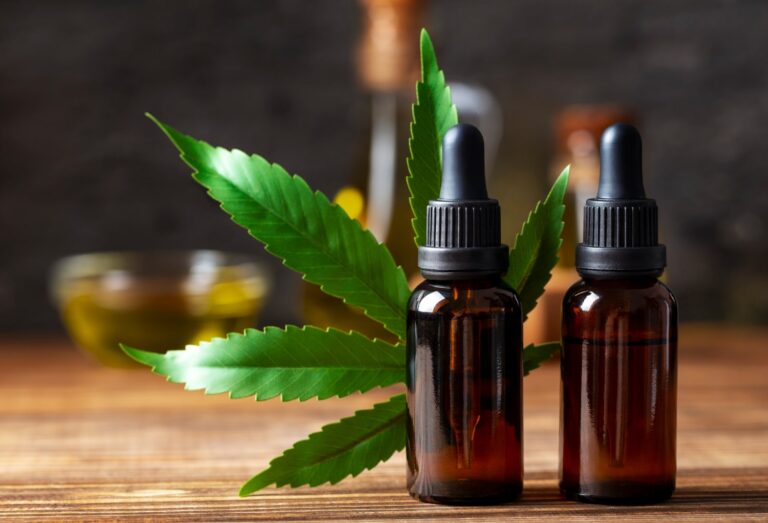
- Use the original dark glass bottle (amber or cobalt) to block light; avoid transferring to clear containers.
- Ensure the cap is tightly sealed after every use to minimize air exposure.
- Avoid bathrooms or humid areas where moisture fluctuates.
- Refrigeration is optional but beneficial in hot climates—note that the oil may thicken (warm it gently to restore flow). Freezing is generally not recommended, as it can affect texture or separation.
- Minimize opening frequency and use within the suggested period after opening.
These practices can help CBD oil retain quality closer to or beyond the labeled date.
Is It Safe to Use CBD Oil That Has Gone Bad?
CBD oil that has passed its prime rarely poses serious health risks. Unlike foods prone to bacterial growth, properly stored CBD oil doesn’t typically harbor dangerous pathogens. The main issue is reduced potency—degraded CBD becomes less effective, and oxidized carrier oils may taste unpleasant.
In cases of obvious rancidity or mold (rare but possible in poor conditions), discard it to avoid minor digestive discomfort. Slight past-date use without spoilage signs is usually harmless but suboptimal. When in doubt, err on replacing it for consistent results.
What Happens to CBD Oil Chemically When It Goes Bad?
Over time, CBD undergoes oxidation, converting partially into compounds like CBN (which has mildly different effects, often more sedative). Terpenes and other beneficial elements evaporate or break down, diminishing flavor and entourage benefits. Carrier oils oxidize into peroxides, contributing to off tastes and smells. This process is gradual and accelerated by poor storage, but it doesn’t create toxins—quality simply fades
Why Do Manufacturers Provide Expiration Dates on CBD Oil?
Expiration or “best by” dates result from lab stability testing under controlled conditions, ensuring the product meets potency and quality claims within that window. They guide consumers on peak performance and comply with supplement regulations, helping maintain trust and consistency.
Do Different Types of CBD Oil Have Varying Shelf Lives?
Yes—full-spectrum oils with more plant compounds may degrade slightly faster due to reactive elements, while isolates (pure CBD) often prove more stable. Oils with added flavors or lower-quality carriers might expire sooner. MCT-based tinctures frequently outlast others due to oxidation resistance.
Conclusion: Should You Be Concerned About CBD Oil Going Bad?
In essence, yes—CBD oil does go bad, typically within 1-2 years, through potency loss from oxidation, light, heat, and air exposure. While not dangerous in most cases, expired oil delivers diminished benefits and altered sensory qualities. By checking dates, watching for spoilage signs, and following best storage practices in cool, dark, airtight conditions, you can enjoy your CBD oil at peak effectiveness for as long as possible.
Prioritizing quality products with clear labeling and proper care ensures reliable experiences. If your bottle shows concerning changes or is well beyond its date, refreshing your supply is the best step for optimal results.