In a world full of stress and endless to-do lists, more people are turning to natural solutions to help them unwind and feel balanced. One question keeps coming up in conversations, wellness forums, and even casual chats: Can you smoke CBD?
It sounds almost too simple — or maybe a little surprising — but it’s one of the most common searches right now. Whether you’re curious about fast relief, relaxation without the high, or just wondering if it’s even possible, you’re not alone in asking.
Can You Smoke CBD?
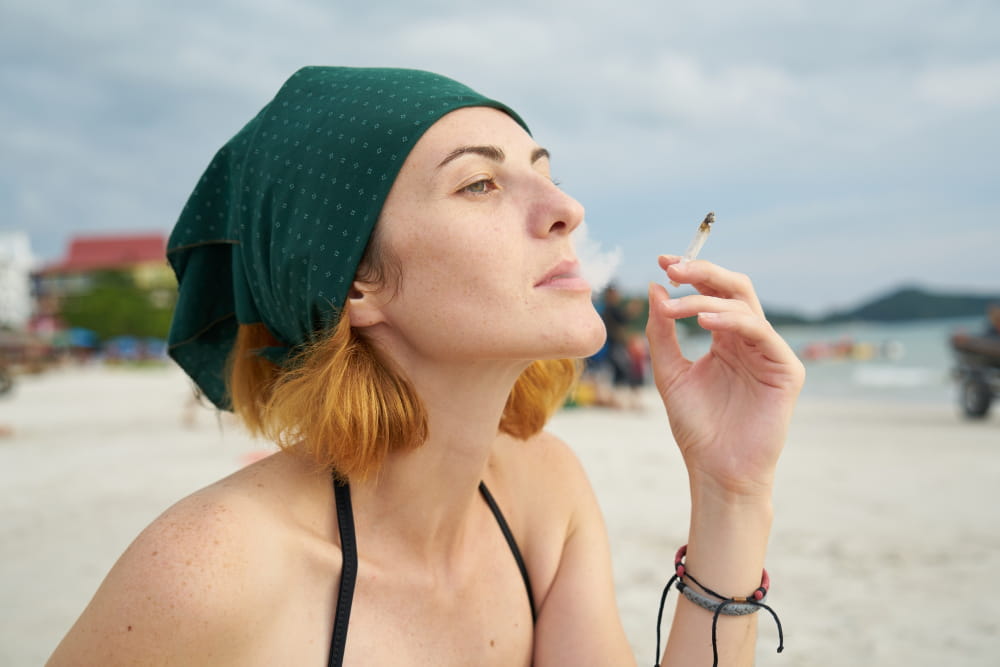
Yes, you can smoke CBD. Many people consume cannabidiol (CBD) this way through hemp flower, pre-rolls, or other smokable forms for quick effects. Unlike THC-rich cannabis, CBD from hemp delivers relaxation and potential wellness benefits without intoxication.
What Is CBD and How Does It Interact with Your Body?
CBD, or cannabidiol, is a naturally occurring compound in the cannabis plant, primarily from hemp varieties. Unlike tetrahydrocannabinol (THC), the main psychoactive compound in marijuana, CBD is non-intoxicating. It does not produce a “high.”
CBD works primarily through the endocannabinoid system (ECS), a complex cell-signaling network that helps regulate homeostasis—balancing processes like mood, sleep, pain perception, appetite, immune response, and inflammation. The ECS includes cannabinoid receptors (mainly CB1 in the brain and nervous system, CB2 in immune cells), endocannabinoids produced by the body (such as anandamide and 2-AG), and enzymes that break them down.
CBD interacts indirectly with these receptors. It may inhibit the breakdown of anandamide, enhance ECS signaling, and influence other receptors like serotonin (5-HT1A) and TRPV1 (involved in pain and inflammation). This contributes to its potential calming and therapeutic effects.
Hemp-derived CBD products must contain less than 0.3% THC to comply with many legal definitions, distinguishing them from marijuana. Full-spectrum CBD flower includes trace cannabinoids, terpenes, and flavonoids that may create an “entourage effect,” in which compounds work synergistically to enhance benefits.
Can You Smoke CBD Flower?
Absolutely—CBD flower (also called hemp flower) is the most common smokable form. These are the dried buds of hemp plants bred for high CBD content (typically 10-20% or higher) and very low THC (under 0.3%). You can smoke it in joints, pipes, bongs, or as pre-rolled products.
Smoking CBD flower provides the full plant profile, including terpenes that give strains unique aromas and subtle effects (e.g., myrcene for relaxation, limonene for mood elevation). This differs from isolated CBD extracts.
You generally cannot smoke standard CBD oils or tinctures, as they are not designed for combustion and may contain carriers unsafe to inhale. Vape-specific CBD e-liquids or distillates exist for vaporization, but “smoking” typically refers to combustion of flower.
Is Smoking CBD Legal?
Legality depends on your location. In the United States, hemp-derived CBD with less than 0.3% THC is federally legal under the 2018 Farm Bill, including smokable flower. However, some states impose restrictions on hemp flower sales or use, and local laws can vary. Internationally, rules differ—some countries treat it like other hemp products, while others regulate or restrict it.
Always check current local regulations, as laws evolve. Note that as of early 2026, upcoming federal changes in the US may affect certain hemp-derived products, particularly those with higher total THC per container or synthetic cannabinoids, so stay informed for compliance.
How Does Smoking CBD Work in the Body?
When you smoke CBD flower, combustion releases cannabinoids and terpenes into smoke, which you inhale into the lungs. The large surface area of the alveoli allows rapid absorption directly into the bloodstream, bypassing the digestive system and liver (first-pass metabolism).
Onset of effects is fast—often within minutes, with peak effects in 15-30 minutes. A systematic review of CBD pharmacokinetics found approximately 31% bioavailability when smoked, meaning a significant portion reaches systemic circulation. Peak plasma concentrations can occur as quickly as 3 minutes post-inhalation, with a half-life around 31 hours.
This rapid delivery makes smoking ideal for acute needs, such as sudden anxiety or pain flares, compared to slower methods.
What Are the Potential Benefits of Smoking CBD?
Users and some research suggest several advantages from the fast onset and high bioavailability:
- Rapid Relaxation and Anxiety Relief: Many report a calming effect without sedation or impairment, potentially helpful for stress or social anxiety.
- Pain and Inflammation Management: CBD’s interaction with pain pathways and anti-inflammatory properties may offer relief for chronic conditions.
- Improved Sleep: Evening use can promote relaxation and better rest.
- Other Potential Effects: Support for mood balance, appetite regulation, or nausea reduction, though more studies are needed specifically on smoked forms.
The entourage effect in whole-flower products may amplify these benefits. Because effects hit quickly, it’s easier to titrate dosage in real-time compared to edibles, which can take hours.
Anecdotal reports often highlight a subtle, clear-headed relaxation—different from alcohol or THC.
Are There Risks or Side Effects to Smoking CBD?
Yes, you can smoke CBD, but it comes with caveats. Any form of smoking involves combustion, which produces tar, carbon monoxide, and potentially harmful byproducts that can irritate the lungs and respiratory tract. Health authorities generally advise against smoking any substance, including hemp, due to these risks.
Common side effects of CBD itself (regardless of method) include dry mouth, drowsiness, dizziness, changes in appetite, or mild digestive upset. These are usually dose-dependent and mild.
Higher doses or sensitive individuals might experience temporary changes in blood pressure or interactions with medications (e.g., blood thinners, as CBD can affect liver enzymes). Lung irritation, coughing, or throat discomfort can occur from smoke.
Compared to tobacco, hemp smoke lacks nicotine and many additives, and some older studies suggest lower cancer risk associations than tobacco, but long-term data on smoked hemp specifically is limited.
Pregnant or breastfeeding individuals, those with respiratory conditions, or people on medications should consult a healthcare professional before use.
Yes, you can smoke CBD, but it comes with caveats. Any form of smoking involves combustion, which produces tar, carbon monoxide, and potentially harmful byproducts that can irritate the lungs and respiratory tract. Health authorities generally advise against smoking any substance, including hemp, due to these risks.
Common side effects of CBD itself (regardless of method) include dry mouth, drowsiness, dizziness, changes in appetite, or mild digestive upset. These are usually dose-dependent and mild.
Higher doses or sensitive individuals might experience temporary changes in blood pressure or interactions with medications (e.g., blood thinners, as CBD can affect liver enzymes). Lung irritation, coughing, or throat discomfort can occur from smoke.
Compared to tobacco, hemp smoke lacks nicotine and many additives, and some older studies suggest lower cancer risk associations than tobacco, but long-term data on smoked hemp specifically is limited.
Pregnant or breastfeeding individuals, those with respiratory conditions, or people on medications should consult a healthcare professional before use.
How Does Smoking CBD Compare to Vaping or Other Consumption Methods?
Smoking offers the fastest onset and good bioavailability (~31%) but involves combustion risks.
- Vaping (Dry Herb or Concentrates): Heats flower or extracts without burning, reducing many harmful byproducts while maintaining quick onset and high bioavailability (often 34-56%). Many consider it a healthier inhalation alternative.
- Sublingual Oils/Tinctures: Absorption under the tongue (13-35% bioavailability) is faster than swallowing but slower than inhalation (effects in 15-45 minutes).
- Edibles: Lowest bioavailability (6-20%), slowest onset (30 minutes to 2+ hours), but longer-lasting effects due to liver metabolism into active compounds.
- Topicals: Localized relief with minimal systemic absorption.
Smoking or vaping suits those needing immediate effects; edibles or oils provide discretion and longer duration. For lung health, non-inhalation methods or vaporization are preferable long-term.
How Much CBD Should You Smoke? Dosage Guide
Dosage varies by individual factors like body weight, tolerance, metabolism, and desired effects. CBD flower potency typically ranges from 10-20% CBD by weight.
A gram of 15% CBD flower contains about 150 mg CBD. Due to ~31% bioavailability and inhalation efficiency, a single puff or “hit” might deliver 5-20 mg effective CBD, depending on technique and product.
Start Low and Go Slow: Beginners should take 1-2 small puffs, wait 10-15 minutes, and assess effects. Increase gradually. Many users find 10-50 mg total CBD per session effective; daily totals might range from 20-200+ mg, but listen to your body.
Track strain, amount, and effects in a journal. Higher-potency flower (15-20%+) requires less material for the same dose.
What Does Smoking CBD Feel Like?
Most users describe a gentle wave of relaxation washing over them within minutes—reduced tension, calmer mind, and physical ease—without mental fog, paranoia, or euphoria associated with THC. Some notice enhanced focus or sensory appreciation, while others feel mildly sleepy, making it suitable for evening use.
Effects last 1-3 hours typically, though subtle benefits may linger. The ritual of smoking can add a mindful, ceremonial aspect for some.
Individual responses vary; factors like strain terpenes (e.g., relaxing indica-like vs. uplifting sativa-like hemp varieties) influence the experience.
How to Choose High-Quality CBD Flower for Smoking
Quality matters for safety and efficacy:
- Lab Testing: Third-party certificates of analysis (COAs) confirming CBD content, THC <0.3%, and absence of pesticides, heavy metals, molds, or solvents.
- Organic and Sustainable: Grown without synthetic chemicals.
- Freshness: Properly cured and stored flower with good aroma and trichome coverage (the resin glands containing cannabinoids).
- Strain Selection: Choose based on desired effects and terpene profiles.
- Source: Reputable suppliers with transparent practices.
Avoid products with artificial flavors or unverified claims.
Can You Smoke CBD While Working or in Public?
Effects are non-impairing for most, so many use it during the day for stress without feeling “high.” However, check workplace policies and local public smoking laws. In some areas, smoking any plant material in public is restricted, similar to tobacco.
Tips for Smoking CBD Safely and Effectively
- Grind flower evenly for consistent burning.
- Use clean pipes, bongs, or papers; stay hydrated to counter dry mouth.
- Start in a comfortable, safe environment.
- Combine with breathing techniques for enhanced relaxation.
- Consider vaporization as a lower-risk inhalation method.
- Store flower in airtight containers away from light and heat.
- If new to inhalation, practice proper technique to minimize waste and irritation.
Conclusion: Is Smoking CBD Right for You?
Yes, you can smoke CBD, and for many, it provides an effective, fast-acting way to experience its potential benefits through convenient hemp flower. The quick onset, decent bioavailability, and full-spectrum advantages make it appealing, especially compared to slower methods.
However, the respiratory risks of combustion mean it’s not ideal for everyone or long-term exclusive use. Many opt for vaporizers, tinctures, or edibles to minimize harm while still benefiting from CBD. Always prioritize high-quality, tested products, start with low doses, and consult a healthcare provider—particularly if you have health conditions or take medications.
Ultimately, whether smoking CBD suits you depends on your needs, preferences, and risk tolerance. With informed choices, it can be a valuable addition to a wellness routine focused on balance and natural support.