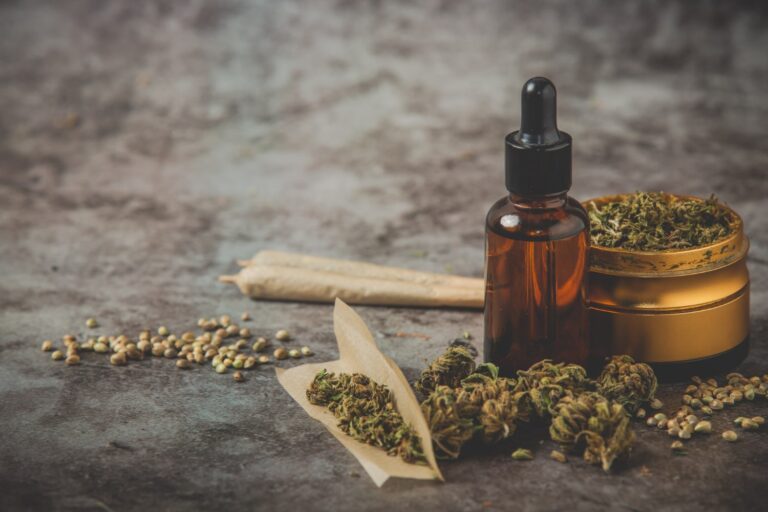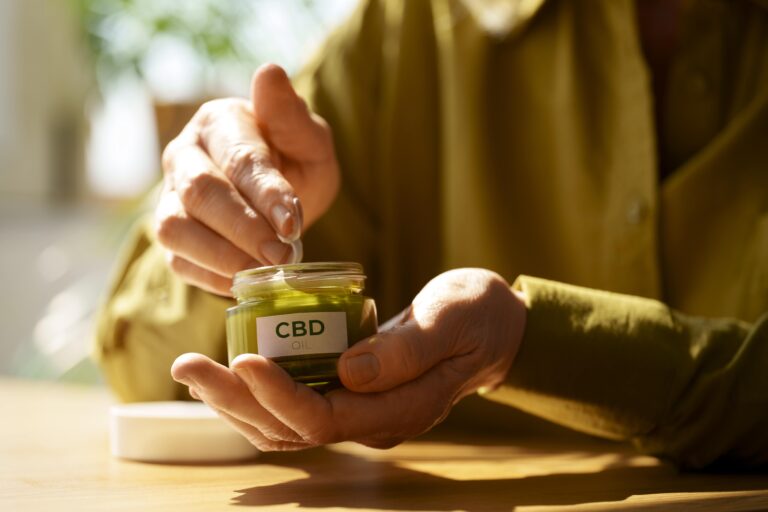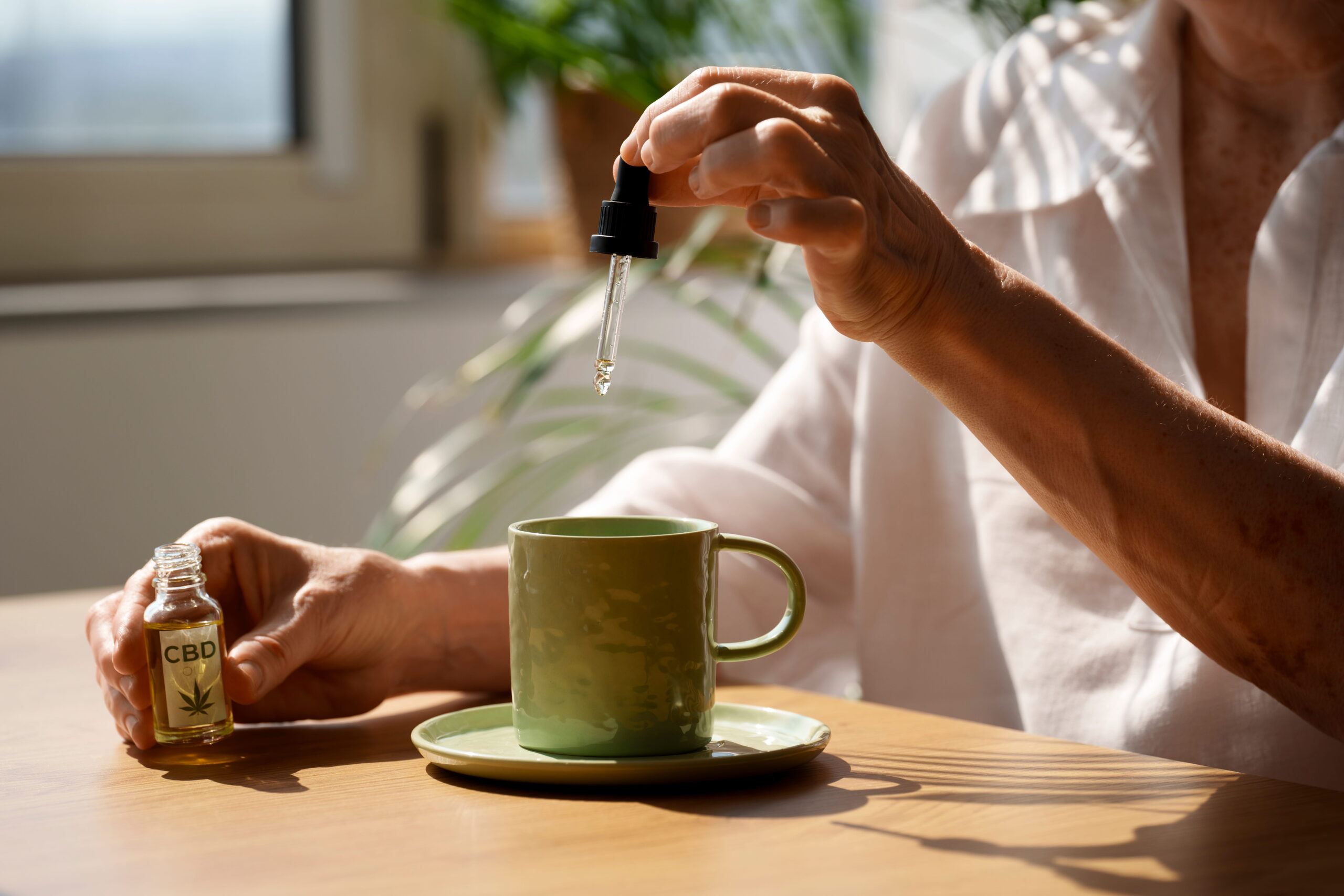
CBD (cannabidiol) is a natural compound found in cannabis plants (both marijuana and hemp). Unlike THC, the main psychoactive part of marijuana, CBD does not cause a “high” or intoxication. It’s widely available in oils, gummies, capsules, creams, and other products, often promoted for health and wellness.
CBD interacts with the body’s endocannabinoid system (which helps regulate pain, mood, sleep, inflammation, and more) and other receptors, but its exact mechanisms are still being studied.
5 Life-Changing Health Benefits Of CBD For Seniors
These are drawn from current evidence (including preclinical studies, surveys, small human trials, and reviews up to 2025–2026). While many older adults report meaningful improvements in quality of life, evidence varies: strongest for pain and sleep, more emerging for anxiety and brain health. CBD is not a cure; benefits are often modest/subtle, and individual results vary. Always consult a doctor first, especially with medications (due to possible interactions).
- Chronic Pain and Arthritis Relief Chronic pain (e.g., from arthritis, joints, or neuropathy) affects over 1 in 3 seniors and limits mobility/daily activities. CBD’s anti-inflammatory and pain-modulating properties show promise — surveys and small studies report 42–66% pain reduction in some users, with improvements in physical function (e.g., walking, grip strength) and daily tasks. For arthritis specifically, anecdotal reports and exploratory studies note better pain scores (up to 83% improvement in self-reports), reduced stiffness, and less reliance on NSAIDs/opioids. Topical CBD often helps localized joint pain. While not all large trials confirm dramatic effects (some show modest or placebo-like results), many seniors find it meaningfully reduces discomfort enough to stay active longer.
- Improved Sleep Quality Insomnia, frequent waking, or poor rest are common with aging, pain, or anxiety — leading to fatigue, mood issues, and falls. CBD may promote relaxation and better sleep onset/quality, especially when linked to underlying pain or stress. Reviews and user reports (e.g., from arthritis or chronic pain studies) note 66%+ reporting better sleep, fewer disruptions, and feeling more refreshed. It doesn’t sedate like strong sleep aids but helps calm the mind/body for natural rest. This can create a positive cycle: better sleep → more energy/daytime activity → improved overall well-being.
- Anxiety and Stress Reduction Anxiety (generalized, social, or worry about health) increases with age and can worsen isolation or mood. CBD shows moderate evidence for lowering anxiety symptoms — via calming effects on the endocannabinoid system. Small studies and reviews indicate reductions in stress/anxiety (e.g., before stressful events or daily worries), leading to better mood, social engagement, and emotional resilience. Seniors often report feeling calmer without grogginess, which helps maintain independence and enjoyment of family/friends.
- Reduced Inflammation and Oxidative Stress. Chronic low-grade inflammation (“inflammaging”) contributes to many age-related issues (joints, heart, brain). CBD’s antioxidant and anti-inflammatory effects may help mitigate this — preclinical data and some human trends show reduced inflammatory markers and oxidative damage in tissues. This could support overall wellness, slower decline in function, and fewer flare-ups in conditions like arthritis. While not a direct treatment, it may offer gentle, broad support for the body’s natural balance as we age.
- Potential Neuroprotection and Cognitive Support. Age-related cognitive decline (memory lapses, mild impairment) worries many seniors. Emerging preclinical studies (in aging mice) show CBD reduces brain inflammation, supports hippocampal health (key for memory), and improves performance on memory tasks. Some 2025–2026 reviews and data suggest potential neuroprotective benefits — possibly preserving brain volume/function or mitigating decline. Human evidence is limited (mostly indirect or from cannabis broadly), but early findings link moderate use to better cognitive scores in older adults. It may help with related symptoms like agitation or sleep issues in dementia models, though it’s not proven to prevent Alzheimer’s.